

AI applied to real logistics and supply chain operations
We help logistics and supply chain organizations improve visibility, coordination and planning using data and AI applied to real operational environments.
Industry challenges
Logistics and supply chain operations involve constant coordination, tight timelines and many moving parts, making visibility and planning especially challenging.
Limited end-to-end visibility
Tracking inventory, shipments and operations across multiple locations and partners is often fragmented or delayed.
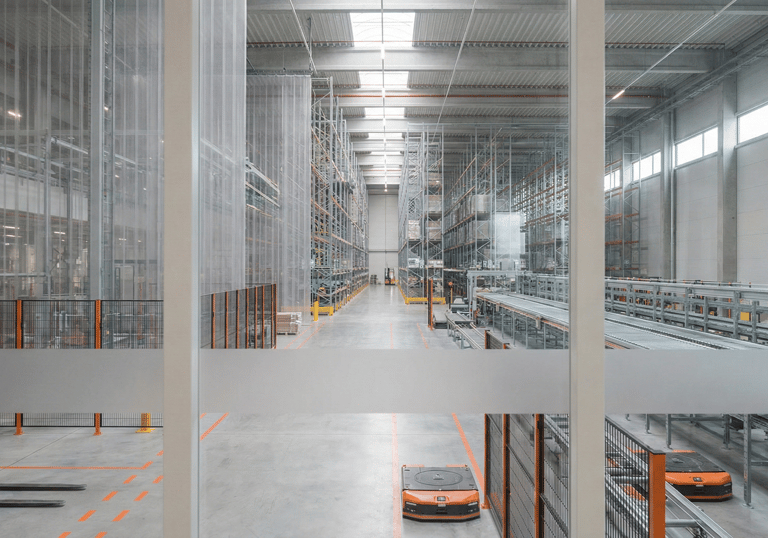
Complex planning under uncertainty
Demand variability, delays and disruptions make planning transport, inventory and resources difficult.
Data is spread across TMS, WMS, ERP systems and spreadsheets, making it hard to get a single source of truth.
Disconnected systems and data
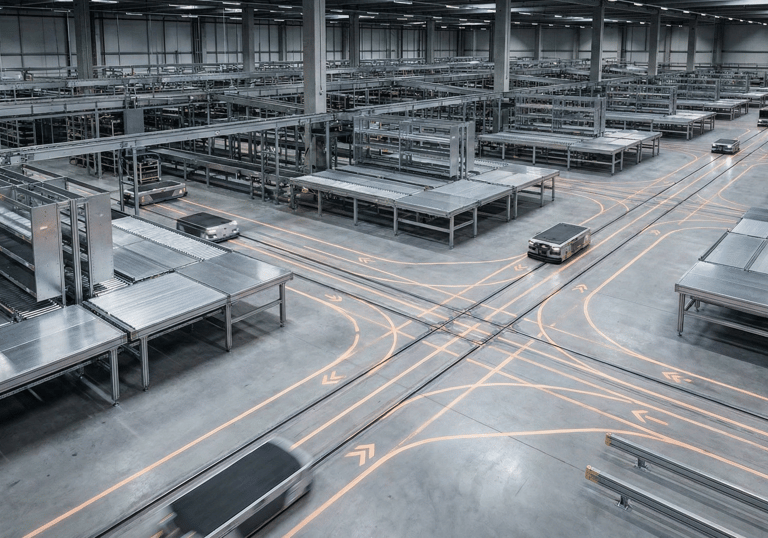


Operational inefficiencies
Manual coordination, repetitive tasks and reactive workflows increase costs and slow down operations.
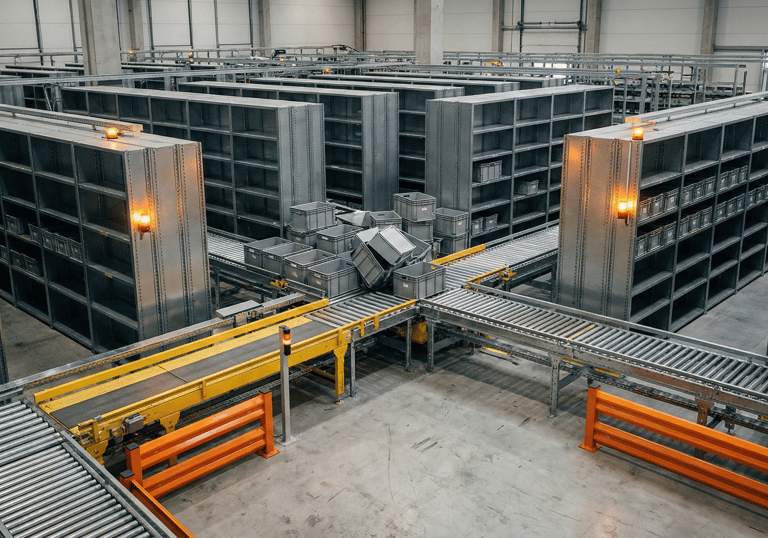
Reactive decision-making
Issues are often addressed after they occur, instead of being anticipated early.


How AI helps in logistics and supply chain
AI helps logistics organizations improve visibility, coordination and planning by making better use of existing operational data.


Supporting planning and forecasting
By analyzing historical and real-time data, AI helps anticipate demand, delays and capacity needs across the supply chain.
Optimizing logistics operations
AI supports the analysis of routes, inventory levels and workflows to identify inefficiencies and improvement opportunities.
Improving end-to-end visibility
AI helps consolidate data from warehouses, transport systems and partners to provide a clearer and more up-to-date view of operations.
Supporting faster and more consistent decisions
By combining data from multiple systems, AI helps teams make better-informed decisions under time pressure.
Use cases
These are practical examples of how data and AI can be applied across logistics and supply chain operations.

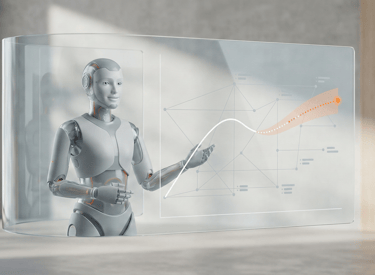
Demand forecasting and planning support
Anticipating demand patterns to support inventory, transport and capacity planning.
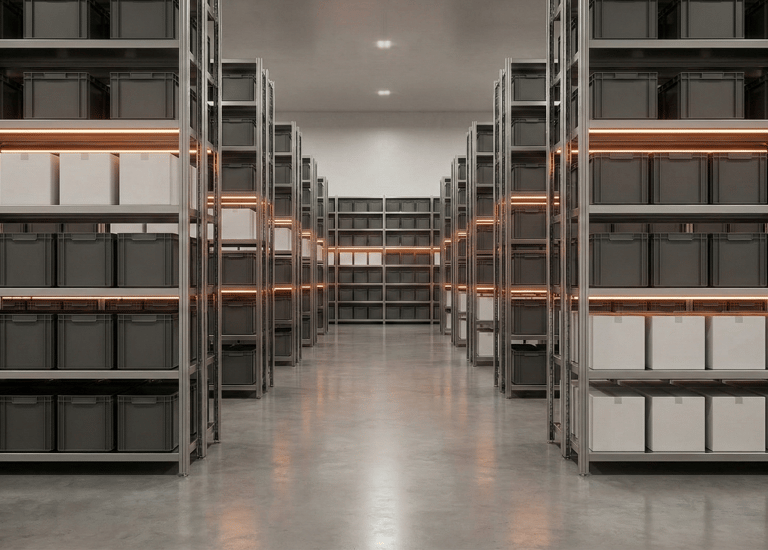
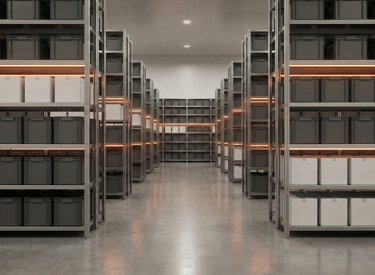
Inventory optimization
Analyzing stock levels, turnover and variability to reduce shortages and excess inventory.


Route and transport optimization
Supporting route planning and transport decisions by analyzing historical performance and constraints.
Delay and disruption anticipation
Identifying early signals of delays, bottlenecks or disruptions across the supply chain.
→
→
→
→
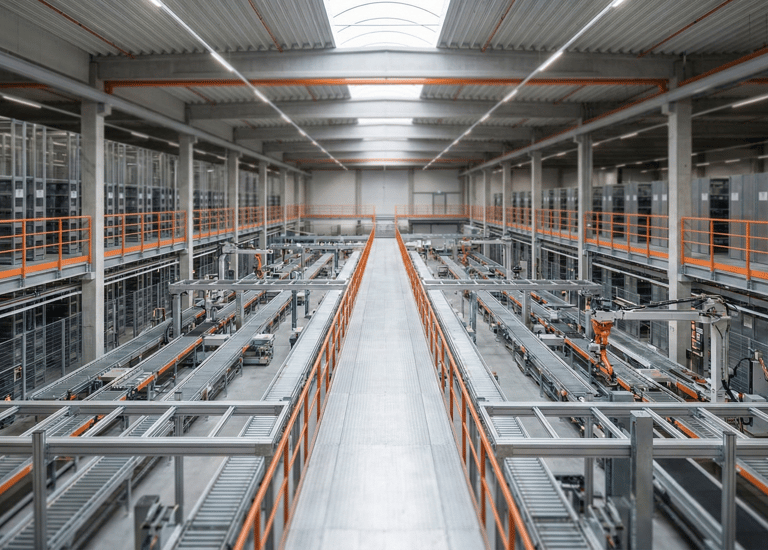
Operational performance analysis
Monitoring logistics KPIs to identify inefficiencies and improvement opportunities.
→


Data and systems in logistics and supply chain
Logistics and supply chain operations rely on data coming from multiple systems that must work together to support planning, coordination and execution.


Warehouse and inventory data
Stock levels, inventory movements, picking and packing data, warehouse performance metrics.
Transport and delivery data
Shipment status, routes, delivery times, carrier performance and delay records.
Planning and coordination systems
TMS, WMS, ERP data related to orders, transport planning, capacity and scheduling.
Supplier and partner data
Inbound shipments, lead times, service levels and performance indicators from suppliers and logistics partners.
Historical and reporting data
Operational reports, spreadsheets and historical performance records used for analysis and planning.
Who this is for
Logistics operators and distribution centers
Organizations managing warehouses, hubs and distribution networks with high operational complexity.
Companies with complex supply chains
Growing organizations scaling operations
Planning and operations teams
Teams responsible for inventory, transport and capacity planning who need better visibility and decision support.
Businesses coordinating suppliers, transport, inventory and customers across multiple locations.
Companies expanding volumes, routes or markets and needing systems that scale with complexity.
AI solutions in logistics and supply chain are most valuable for organizations managing complex flows, tight timelines and data-driven decisions.
Ready to explore AI in your logistics operations?
Tell us about your logistics or supply chain environment, and we’ll explore how data and AI can help improve visibility, planning and coordination.