

AI applied to real retail and e-commerce operations
We help retail and e-commerce businesses improve visibility, optimize operations and make better decisions using data and AI applied to real commercial environments.
Industry challenges
Retail and e-commerce businesses operate in fast-moving environments where visibility, coordination and timely decisions are critical.
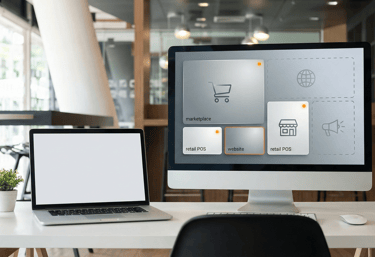
Limited visibility across sales channels
Understanding performance across online and offline channels is often fragmented or delayed.

Inventory imbalance
Overstocking and stockouts impact cash flow, customer satisfaction and margins.
Sales patterns change quickly, making forecasting and planning difficult.
Demand variability and seasonality


Operational complexity
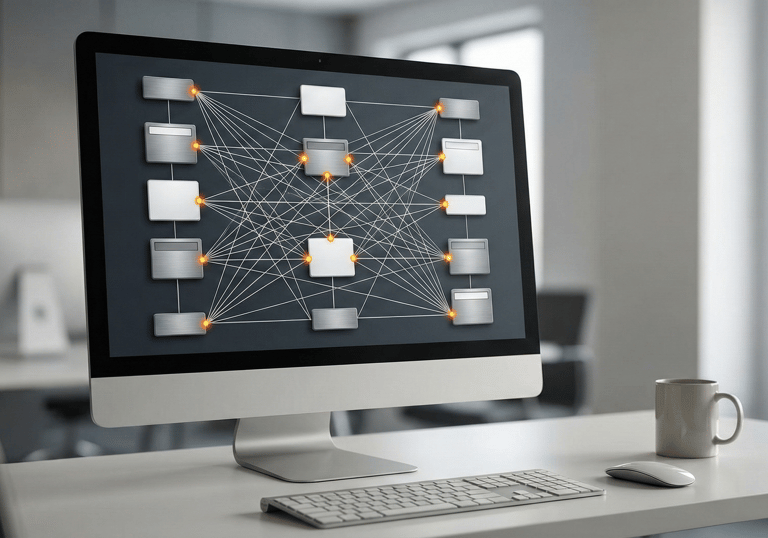
Managing products, pricing, promotions and fulfillment across multiple systems increases complexity.
Slow or reactive decision-making
Decisions are often made after issues occur, rather than anticipating changes early.


How AI helps in retail and e-commerce
AI helps retail and e-commerce businesses make better decisions by turning sales and operational data into clear, actionable insights.


Supporting demand forecasting and planning
By analyzing historical data and trends, AI helps anticipate demand changes and seasonality.
Optimizing inventory and operations
AI supports decisions on stock levels, replenishment and fulfillment to reduce inefficiencies.
Improving sales and performance visibility
AI consolidates data across channels to provide a clearer, more timely view of sales performance.
Supporting faster commercial decisions
By summarizing data and highlighting patterns, AI helps teams react faster to changes in the market.
Use cases
These are practical examples of how data and AI can support retail and e-commerce operations.


Sales performance analysis
Understanding which products, channels or campaigns are performing well and where issues appear.


Demand forecasting and seasonality analysis
Anticipating demand changes to support purchasing, pricing and promotion planning.



Inventory optimization
Balancing stock levels to reduce overstocking, stockouts and tied-up capital.
Promotion and pricing support
Analyzing past promotions and pricing changes to support better commercial decisions.
→
→
→
→


Operational performance monitoring
Tracking fulfillment, delivery times and operational KPIs to identify inefficiencies.
→
Data and systems in retail and e-commerce
Retail and e-commerce businesses rely on data coming from multiple sales, operations and customer systems that must work together.


Sales and transaction data
Orders, revenue, product performance, channel-level sales and returns.
Inventory and fulfillment data
Stock levels, warehouse movements, replenishment data and fulfillment performance.
Customer and behavior data
Customer profiles, purchase history, browsing behavior and engagement data.
Commerce and operations systems
E-commerce platforms, POS systems, order management and operational tools.
Reporting and historical data
Dashboards, spreadsheets and historical sales and performance reports.
Who this is for
Businesses managing multiple sales channels
Organizations selling through online, physical or mixed channels that need a unified view of performance.
Companies dealing with inventory complexity
Growing commerce businesses under pressure
Data-driven retail operations
Businesses collecting large volumes of sales, customer and operational data but struggling to turn it into insight.
Businesses handling many products, SKUs or locations where stock decisions directly impact margins.
Organizations scaling sales volume or channels without wanting operational complexity to grow at the same pace.
AI solutions in retail and e-commerce are most valuable for businesses managing fast-moving sales, inventory and customer data across multiple channels.
Ready to explore AI in your retail or e-commerce operations?
Tell us about your logistics or supply chain environment, and we’ll explore how data and AI can help improve visibility, planning and coordination.