
Limited end-to-end visibility
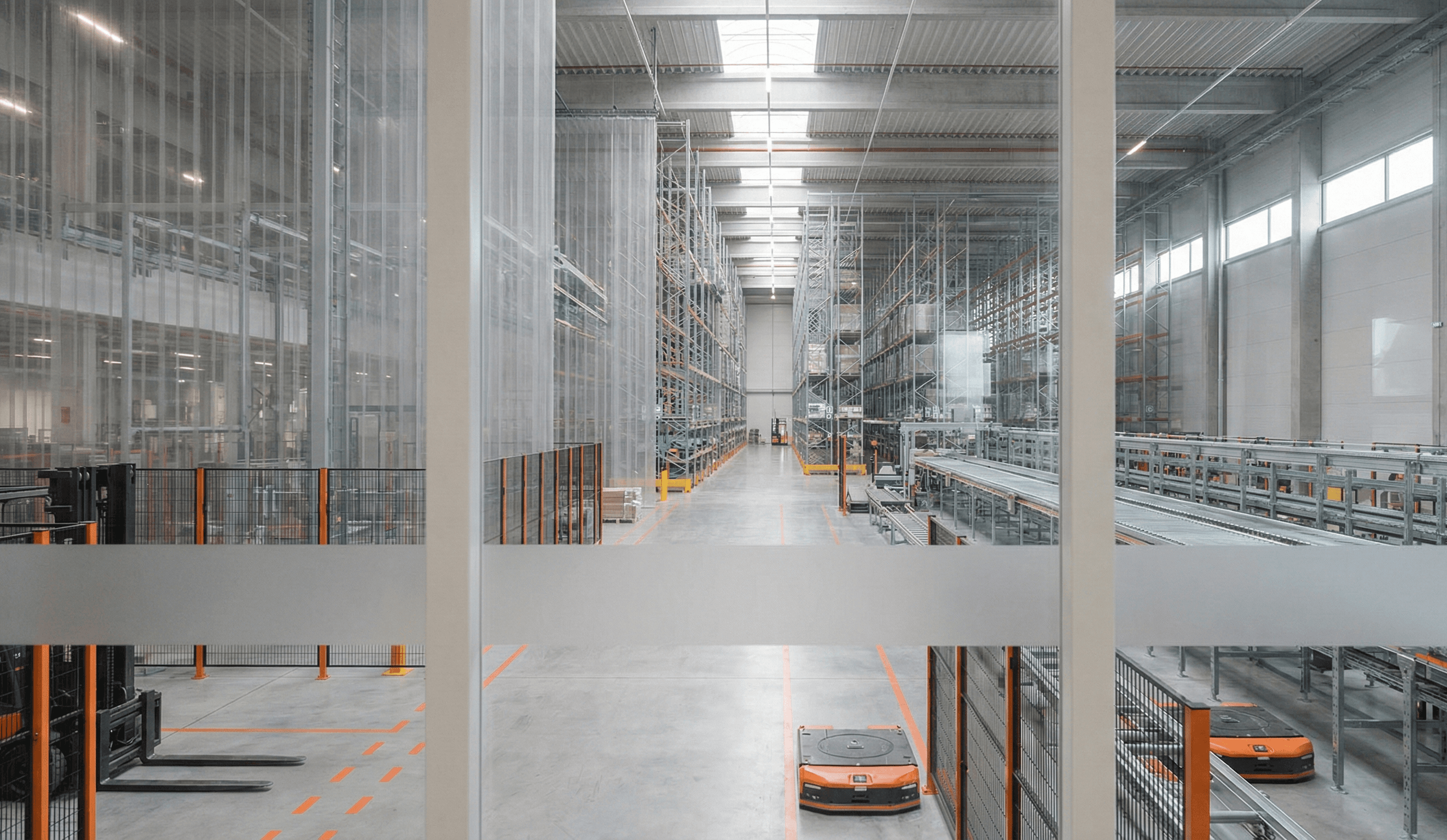
Tracking inventory, shipments and operations across sites and partners is often fragmented or delayed.
Real operating environments
We help logistics organizations improve visibility, coordination and planning using data and AI grounded in real operations.

Logistics and supply chain work with tight timelines, many actors and constant coordination, which makes visibility and control especially difficult.
Tracking inventory, shipments and operations across sites and partners is often fragmented or delayed.

Demand volatility, delays and disruptions make inventory, transport and resource planning especially difficult.
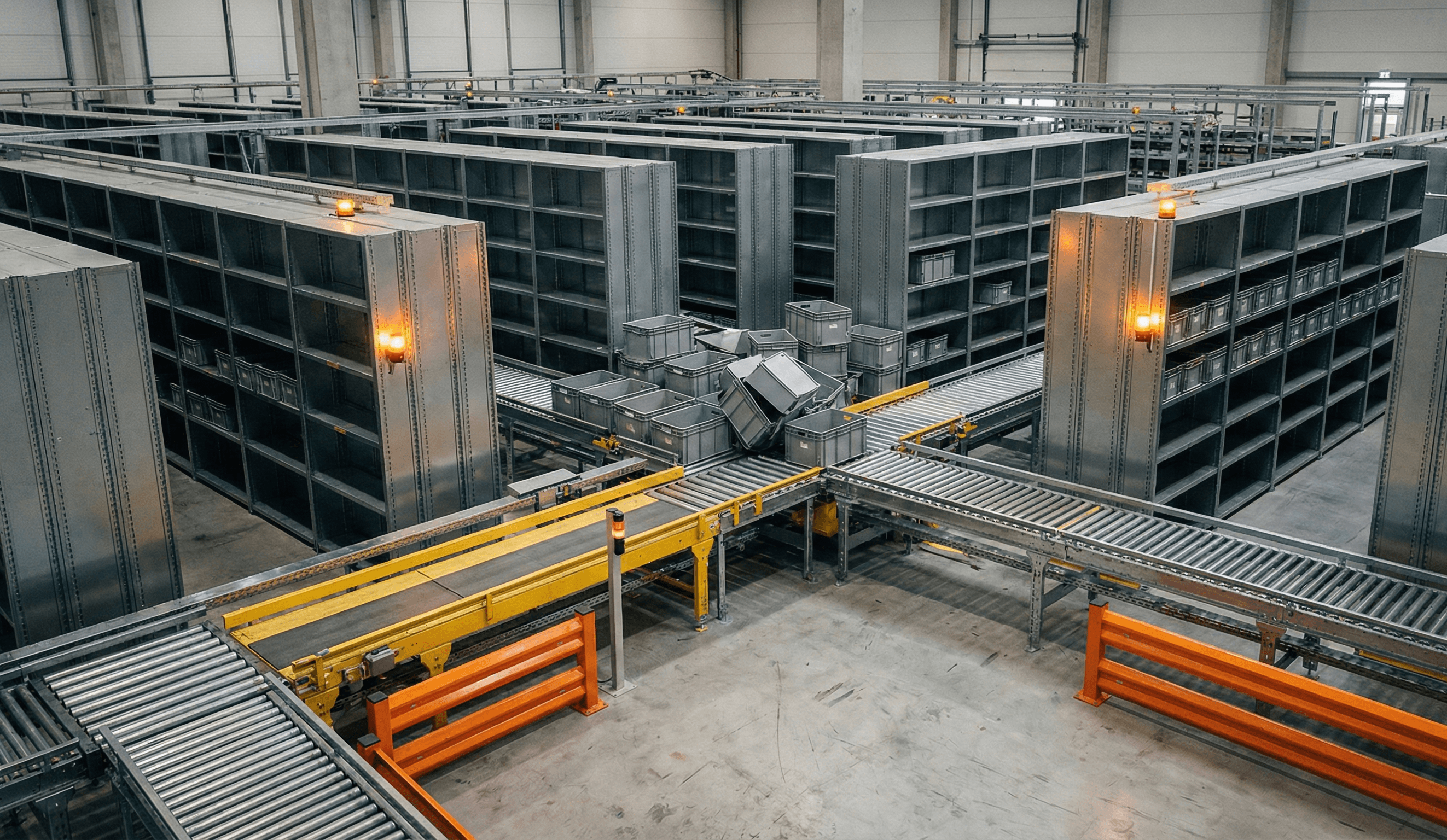
Data is spread across TMS, WMS, ERP systems and spreadsheets without a clear source of truth.
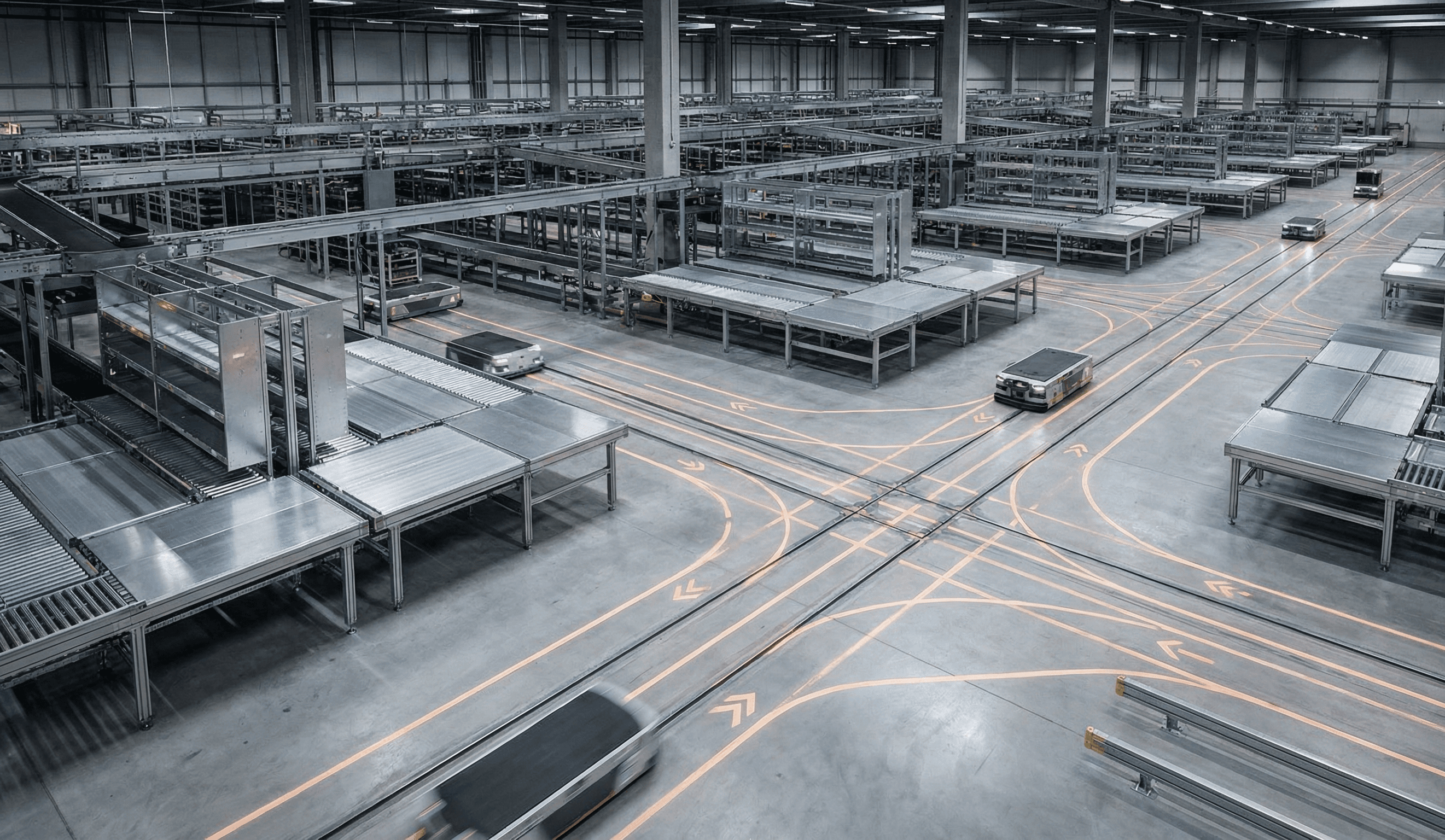
Manual coordination and reactive workflows increase cost and slow the operation down.

Many issues are addressed only after they happen instead of being spotted earlier.
AI helps improve visibility, coordination and anticipation by making better use of the operational data already available.

01
AI helps consolidate information from warehouses, transport and partners so teams get a clearer and more current end-to-end picture.
02
By analyzing historical and real-time data, it becomes easier to anticipate demand, delays and capacity needs.
03
It also supports route, inventory and process analysis so inefficiencies can be found and reduced.
04
When information from several systems is brought together, decisions can be made faster and with more consistency under pressure.
These are some practical examples of how data and AI can help improve complex logistics operations.

Anticipate demand patterns to support inventory, transport and capacity planning.
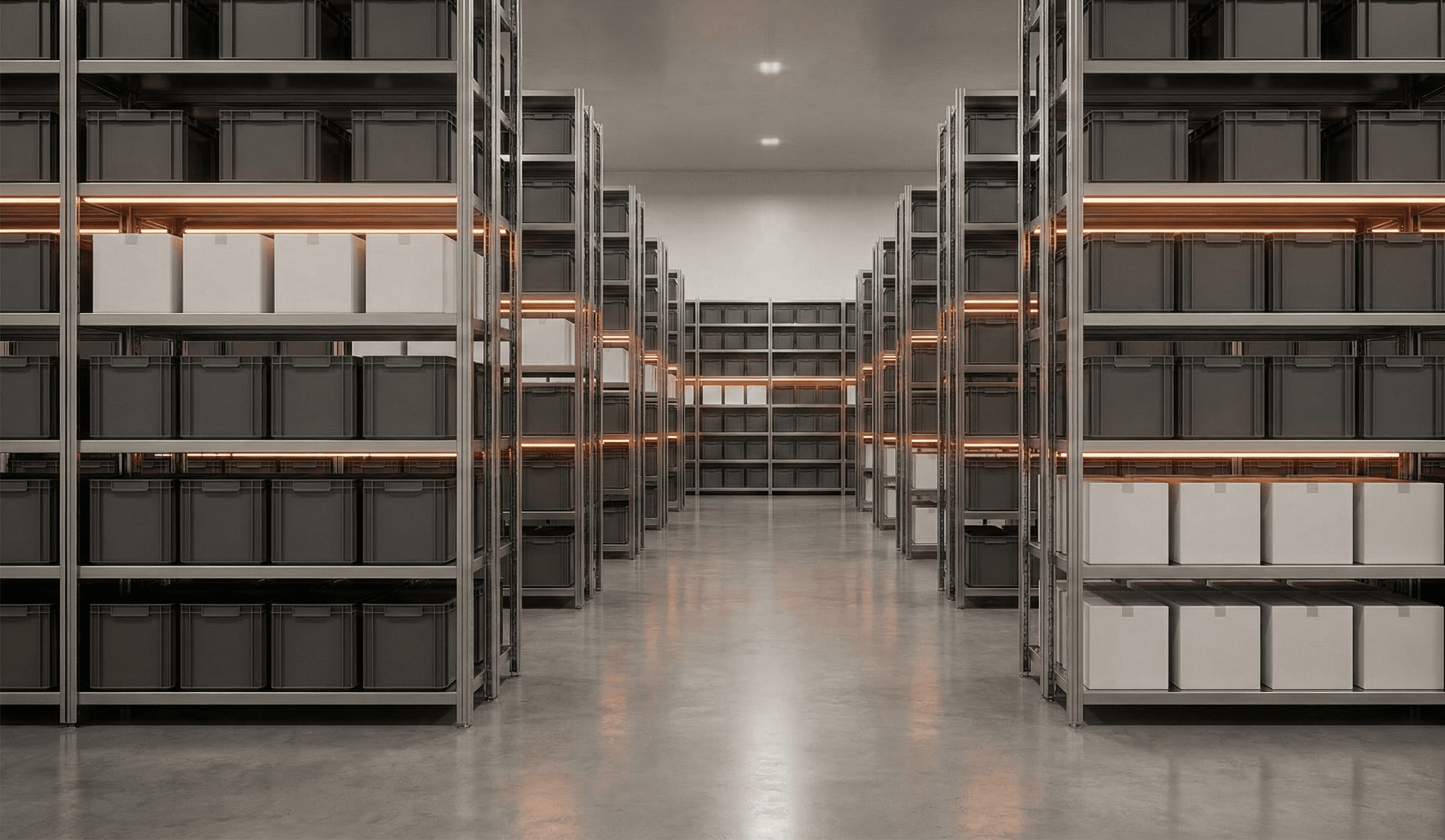
Analyze stock levels, turnover and variability to reduce shortages and excess inventory.
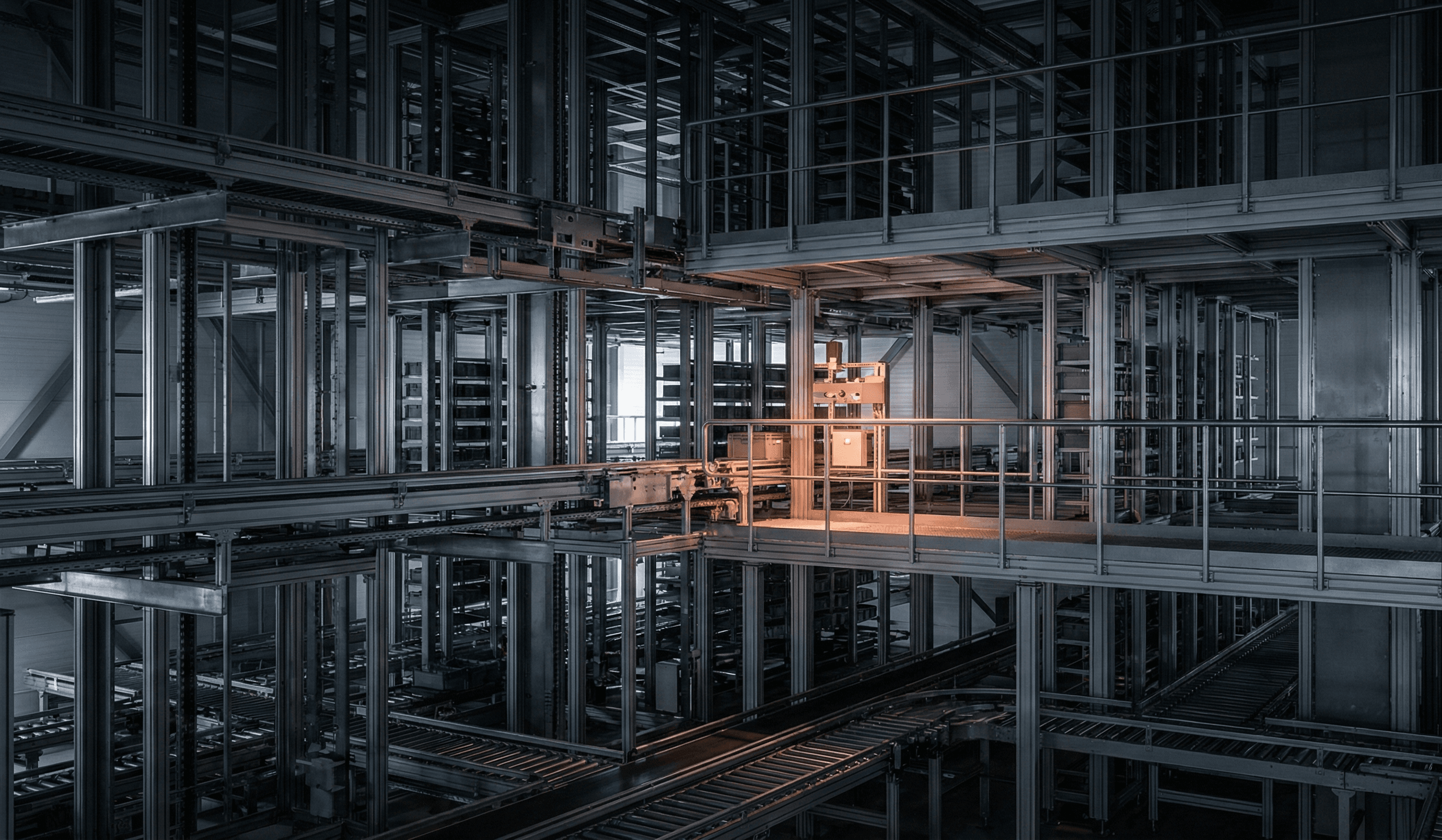
Support route and transport decisions through the analysis of historical performance and operating constraints.
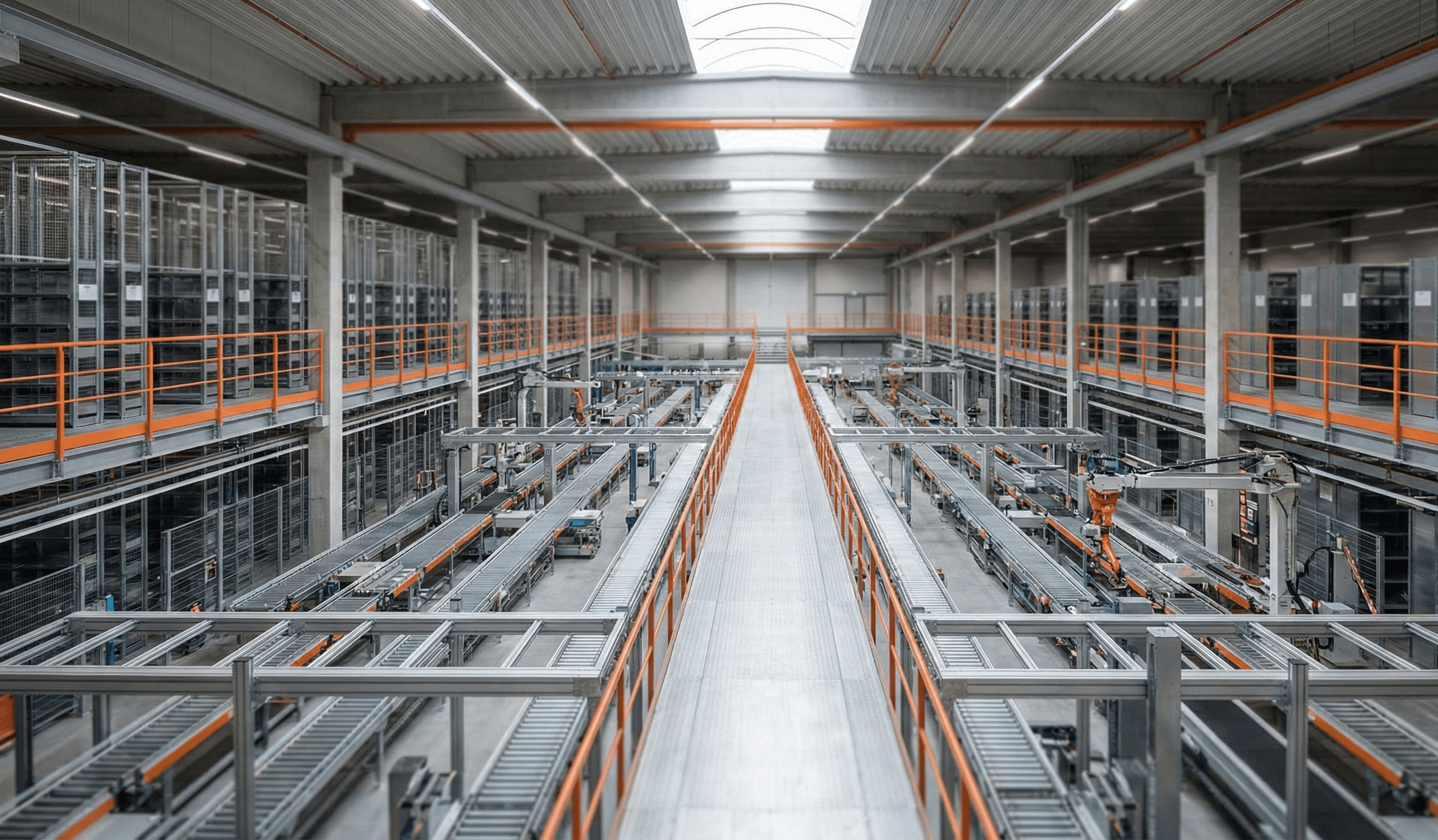
Detect early signals of delays, bottlenecks or disruptions across the network.
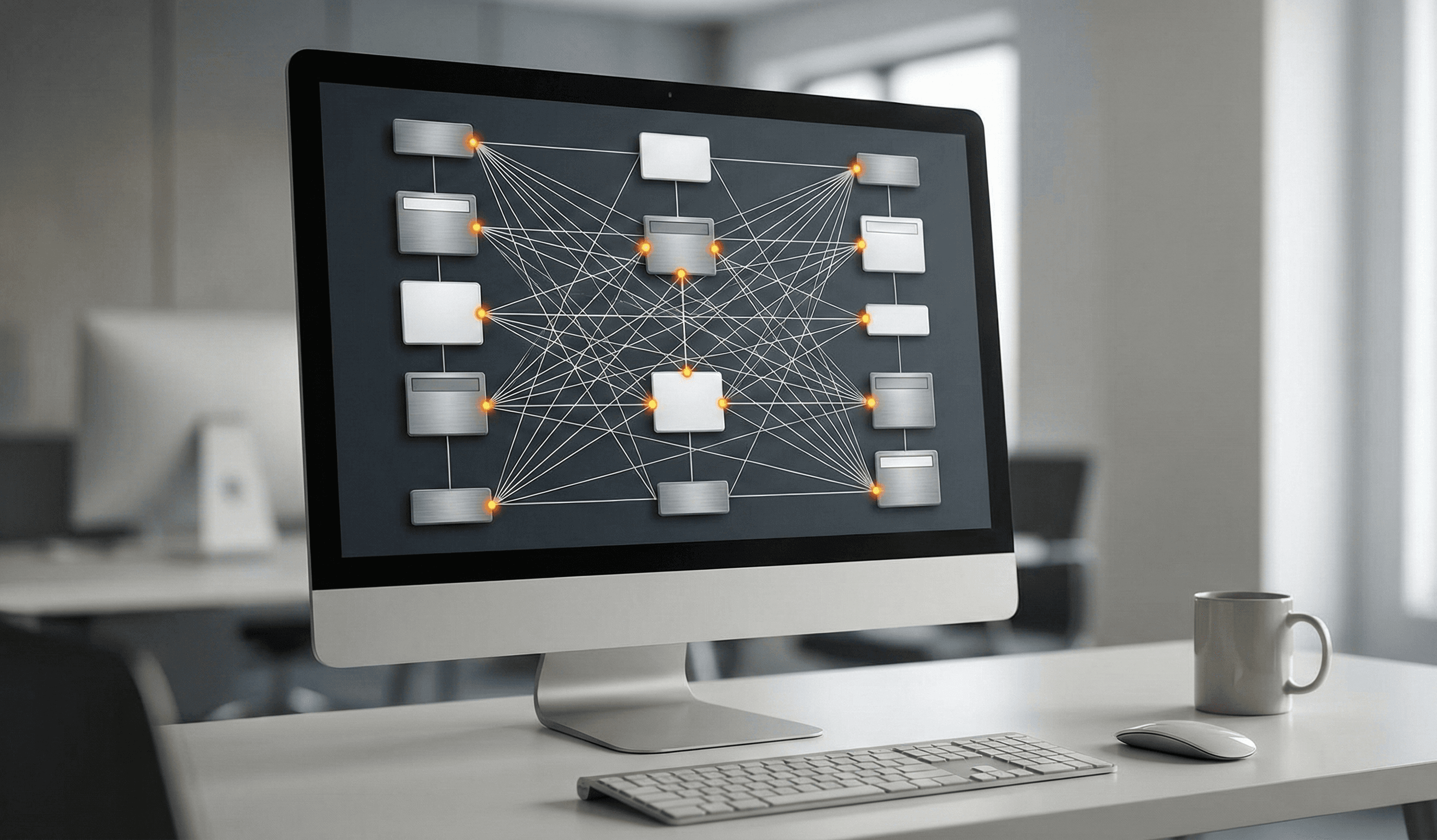
Track logistics KPIs to identify inefficiencies and support continuous improvement.
Supply chain operations rely on data coming from very different systems, and those systems need to work together for planning and execution to hold up.

01
Inventory, stock movements, picking and packing data and warehouse performance indicators.
02
Shipment status, routes, delivery times, carrier performance and issue records.
03
Information coming from TMS, WMS, ERP and planning, capacity or scheduling systems.
04
Inbound flows, lead times, service levels and supplier or partner performance.
05
Operational reports, spreadsheets and historical records used for analysis and decisions.
AI creates the most value here when flows are complex, timelines are tight and many decisions depend on combining fragmented data well.
01
Logistics operators, hubs and distribution centers with high operational complexity.
02
Businesses coordinating suppliers, transport, inventory and customers across multiple locations.
03
Planning, inventory and capacity teams that need stronger visibility and better support for decisions.
04
Organizations expanding in volume, routes or markets that need complexity to remain under control.
Tell us how your logistics operation is organized and we can explore where data and AI could improve visibility, planning and coordination.
Book a free consultationWe help logistics organizations improve visibility, coordination and planning using data and AI grounded in real operations.
Book a free consultationLogistics and supply chain work with tight timelines, many actors and constant coordination, which makes visibility and control especially difficult.
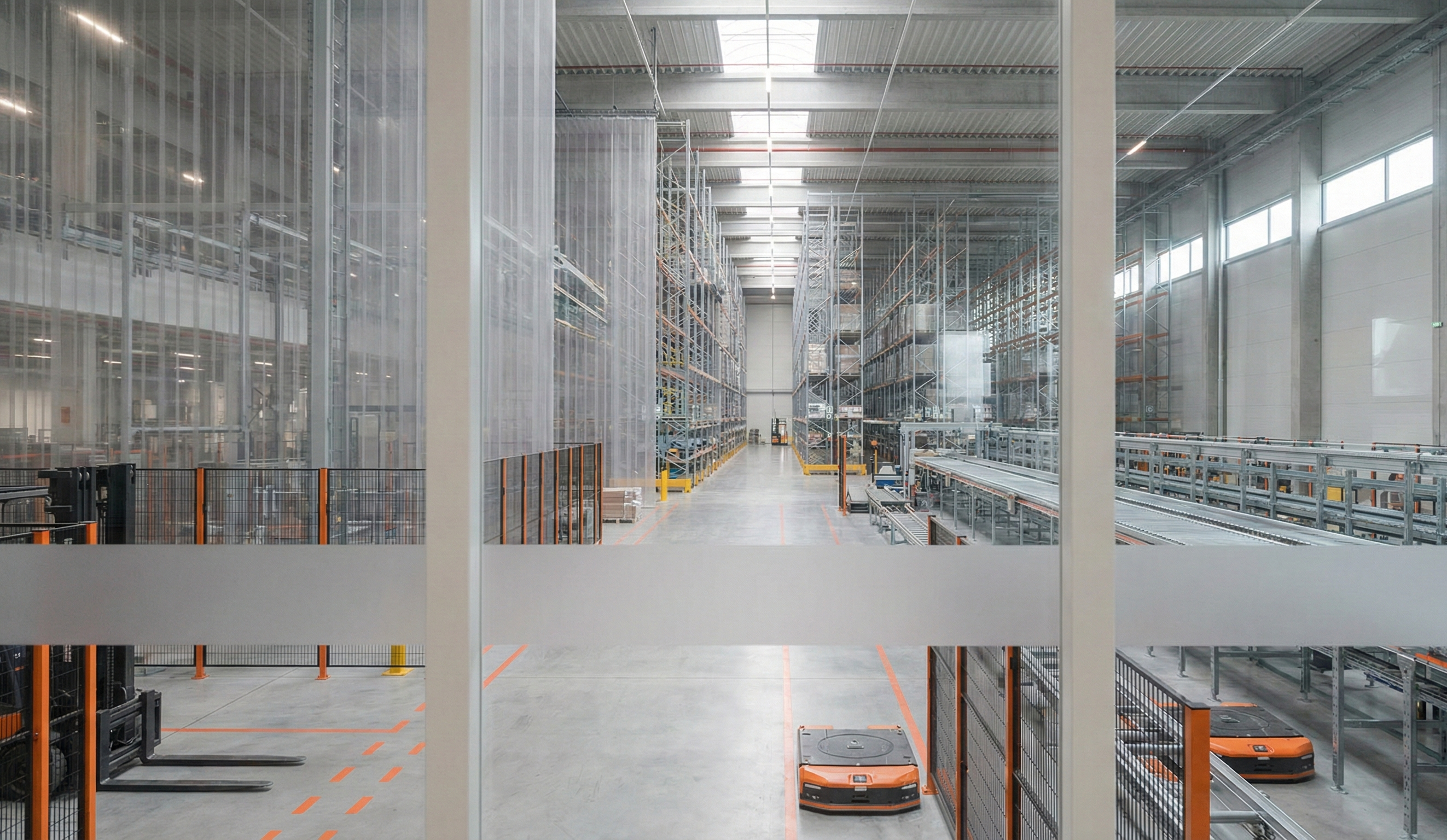
Tracking inventory, shipments and operations across sites and partners is often fragmented or delayed.

Demand volatility, delays and disruptions make inventory, transport and resource planning especially difficult.
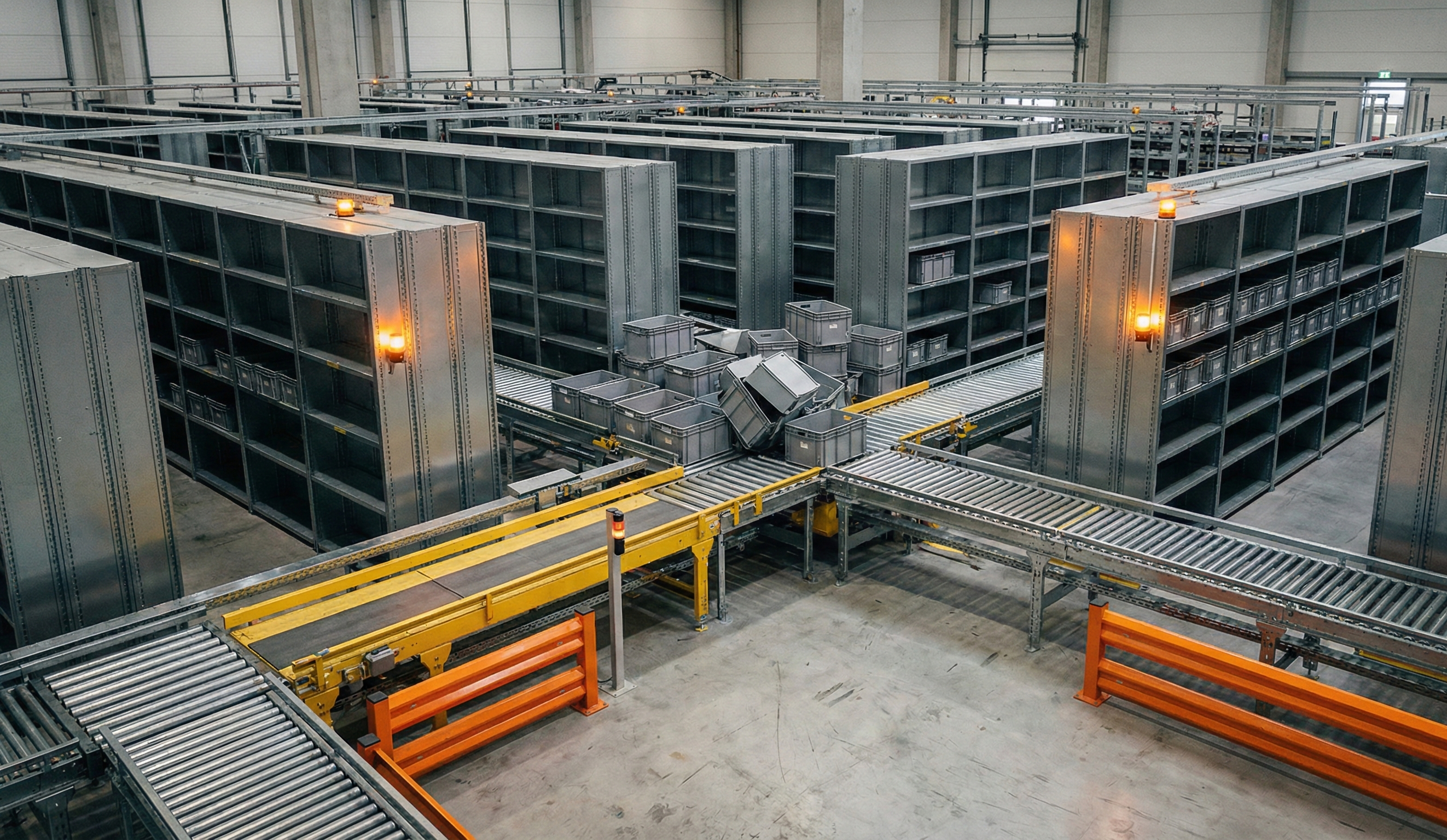
Data is spread across TMS, WMS, ERP systems and spreadsheets without a clear source of truth.
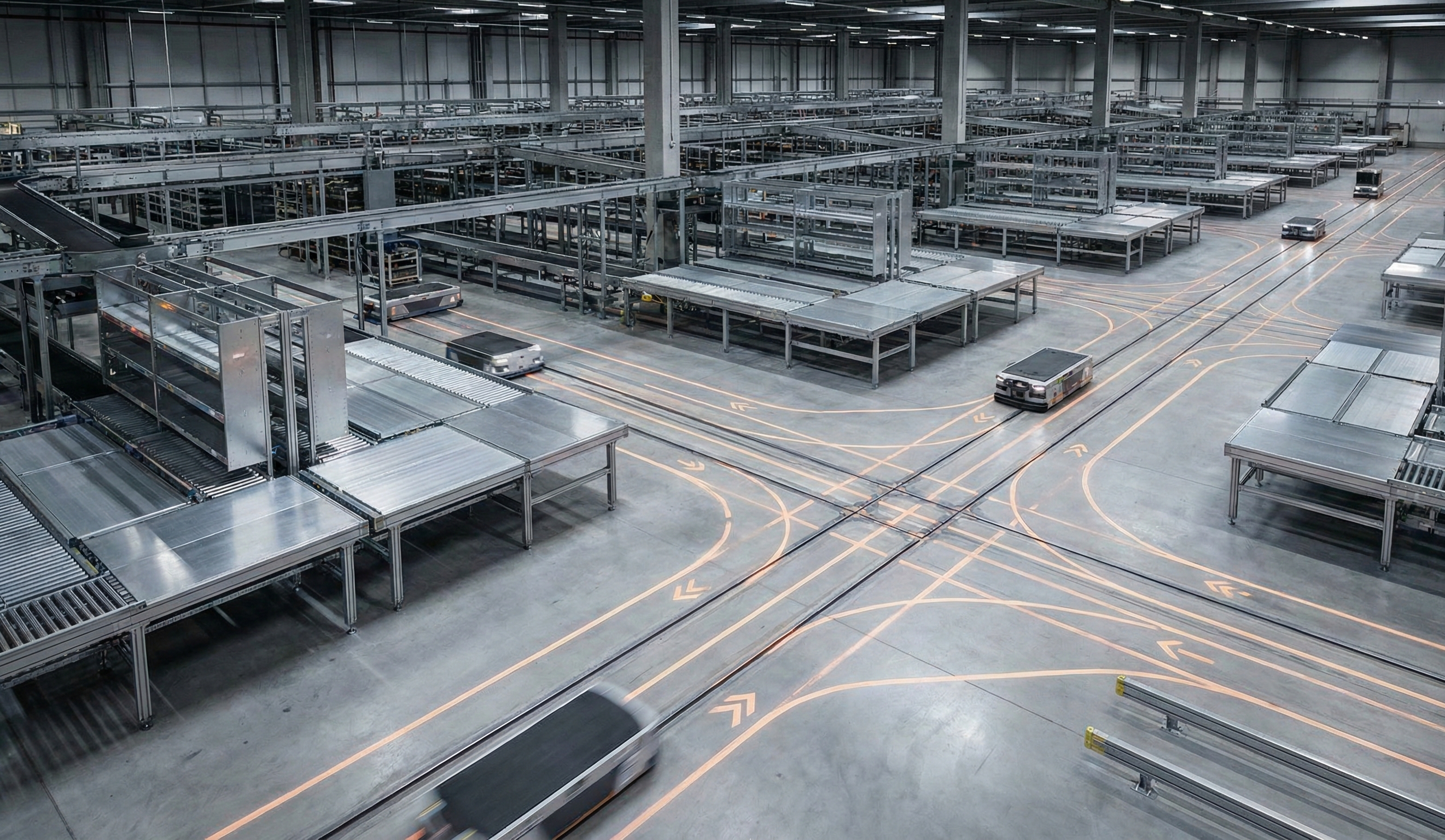
Manual coordination and reactive workflows increase cost and slow the operation down.

Many issues are addressed only after they happen instead of being spotted earlier.
AI helps improve visibility, coordination and anticipation by making better use of the operational data already available.
AI helps consolidate information from warehouses, transport and partners so teams get a clearer and more current end-to-end picture.
By analyzing historical and real-time data, it becomes easier to anticipate demand, delays and capacity needs.
It also supports route, inventory and process analysis so inefficiencies can be found and reduced.
When information from several systems is brought together, decisions can be made faster and with more consistency under pressure.
These are some practical examples of how data and AI can help improve complex logistics operations.
Anticipate demand patterns to support inventory, transport and capacity planning.
Analyze stock levels, turnover and variability to reduce shortages and excess inventory.
Support route and transport decisions through the analysis of historical performance and operating constraints.
Detect early signals of delays, bottlenecks or disruptions across the network.
Track logistics KPIs to identify inefficiencies and support continuous improvement.
Supply chain operations rely on data coming from very different systems, and those systems need to work together for planning and execution to hold up.
Inventory, stock movements, picking and packing data and warehouse performance indicators.
Shipment status, routes, delivery times, carrier performance and issue records.
Information coming from TMS, WMS, ERP and planning, capacity or scheduling systems.
Inbound flows, lead times, service levels and supplier or partner performance.
Operational reports, spreadsheets and historical records used for analysis and decisions.
AI creates the most value here when flows are complex, timelines are tight and many decisions depend on combining fragmented data well.
Logistics operators, hubs and distribution centers with high operational complexity.
Businesses coordinating suppliers, transport, inventory and customers across multiple locations.
Planning, inventory and capacity teams that need stronger visibility and better support for decisions.
Organizations expanding in volume, routes or markets that need complexity to remain under control.
Tell us how your logistics operation is organized and we can explore where data and AI could improve visibility, planning and coordination.
Book a free consultation