
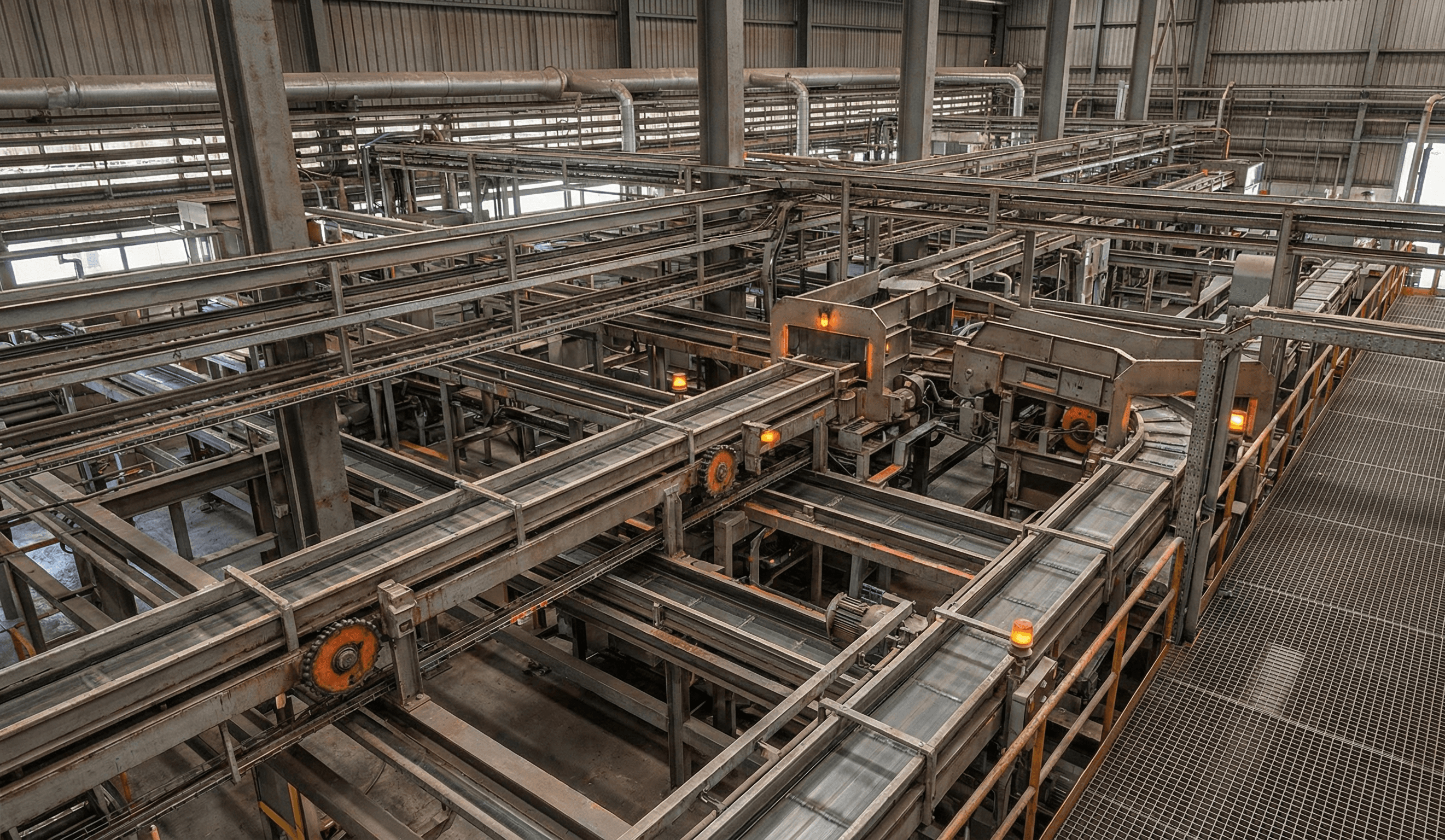
Operational inefficiencies
Processes evolve over time and often create bottlenecks, manual work and hidden inefficiencies.
Real operating environments
We help manufacturing and industrial businesses improve operations, reduce downtime and make better decisions using data and AI applied to real environments.
Manufacturing and industry operate in complex environments where efficiency, reliability and visibility are essential but not always easy to achieve.
Processes evolve over time and often create bottlenecks, manual work and hidden inefficiencies.
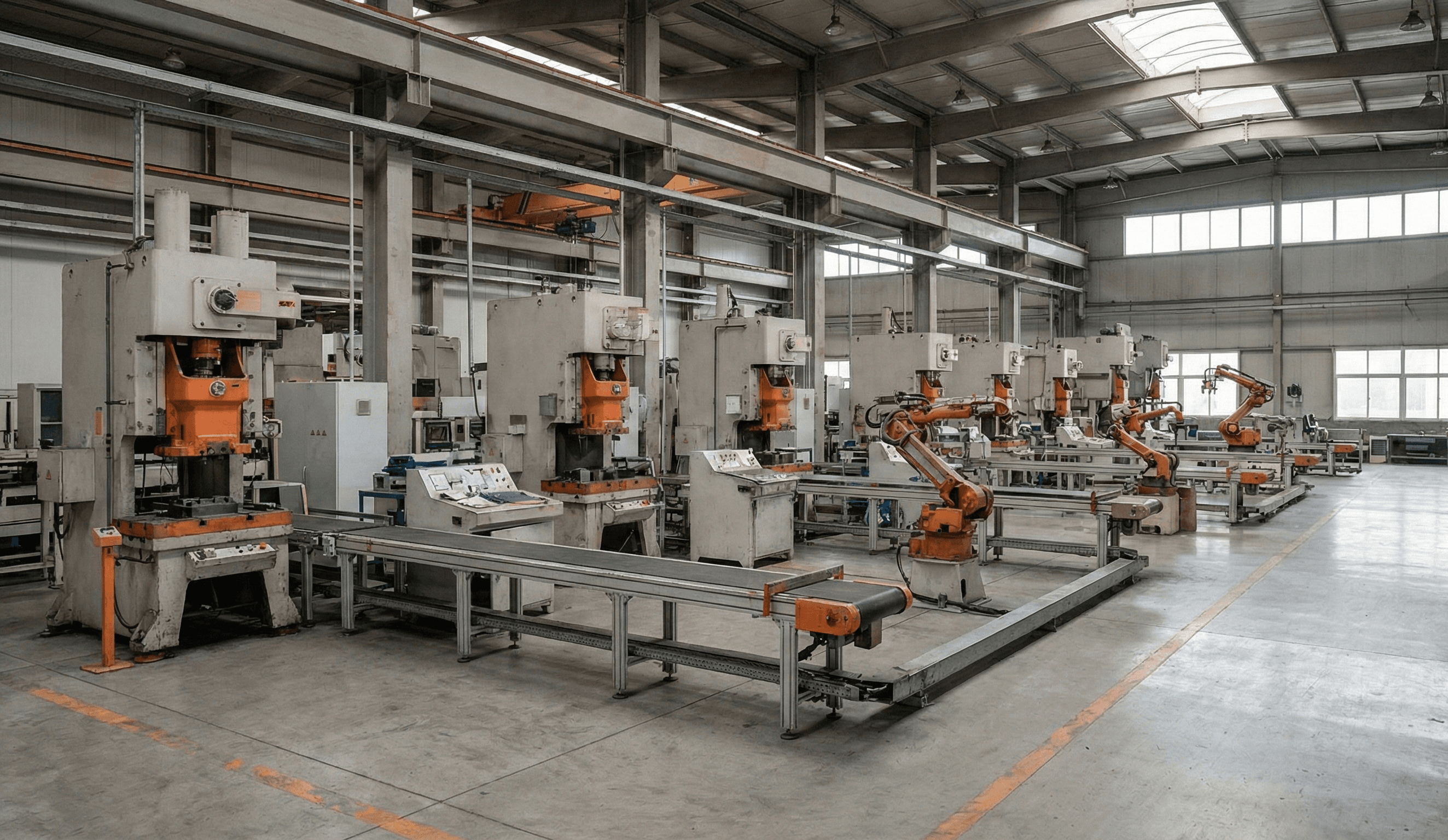
Unexpected failures and maintenance issues interrupt production and push costs up.

Data is spread across machines, sensors, reports and ERP systems, making it hard to build a unified view.
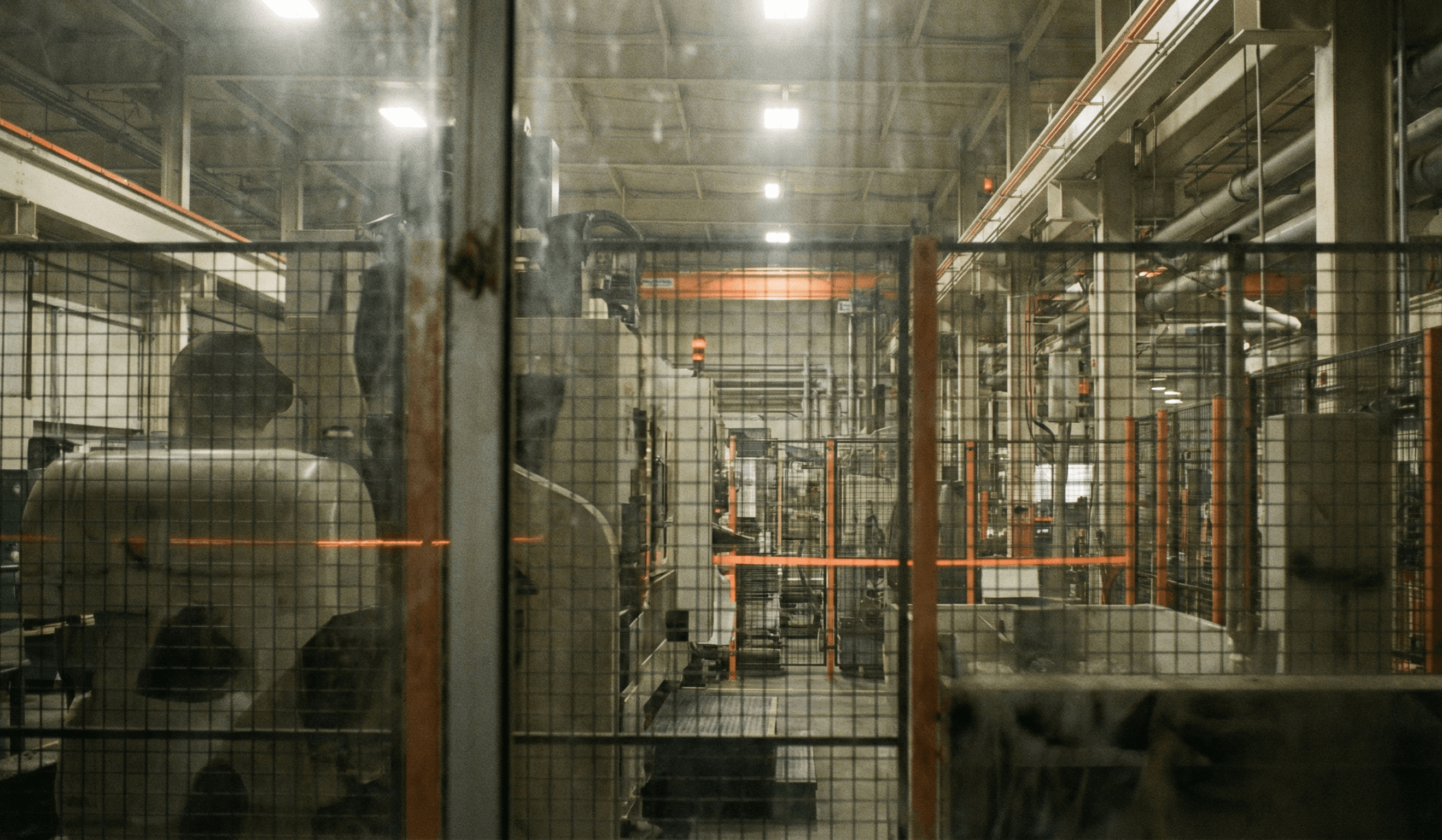
Understanding what is happening in real time is often difficult or arrives too late.
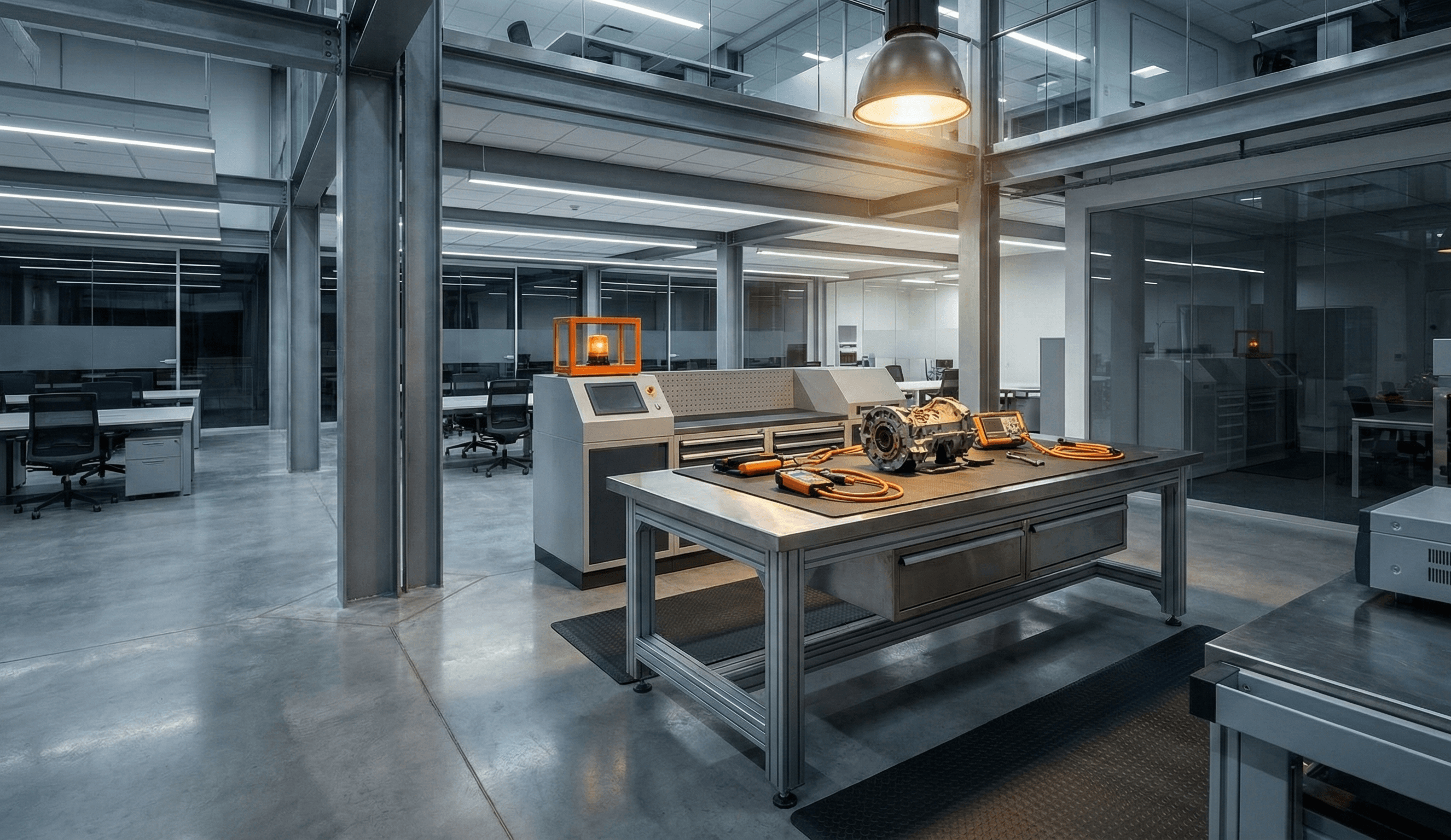
Many decisions are made once the problem has already appeared instead of earlier.
AI helps industrial businesses move from reactive operations to a more informed and anticipatory way of working, using the data they already have more effectively.
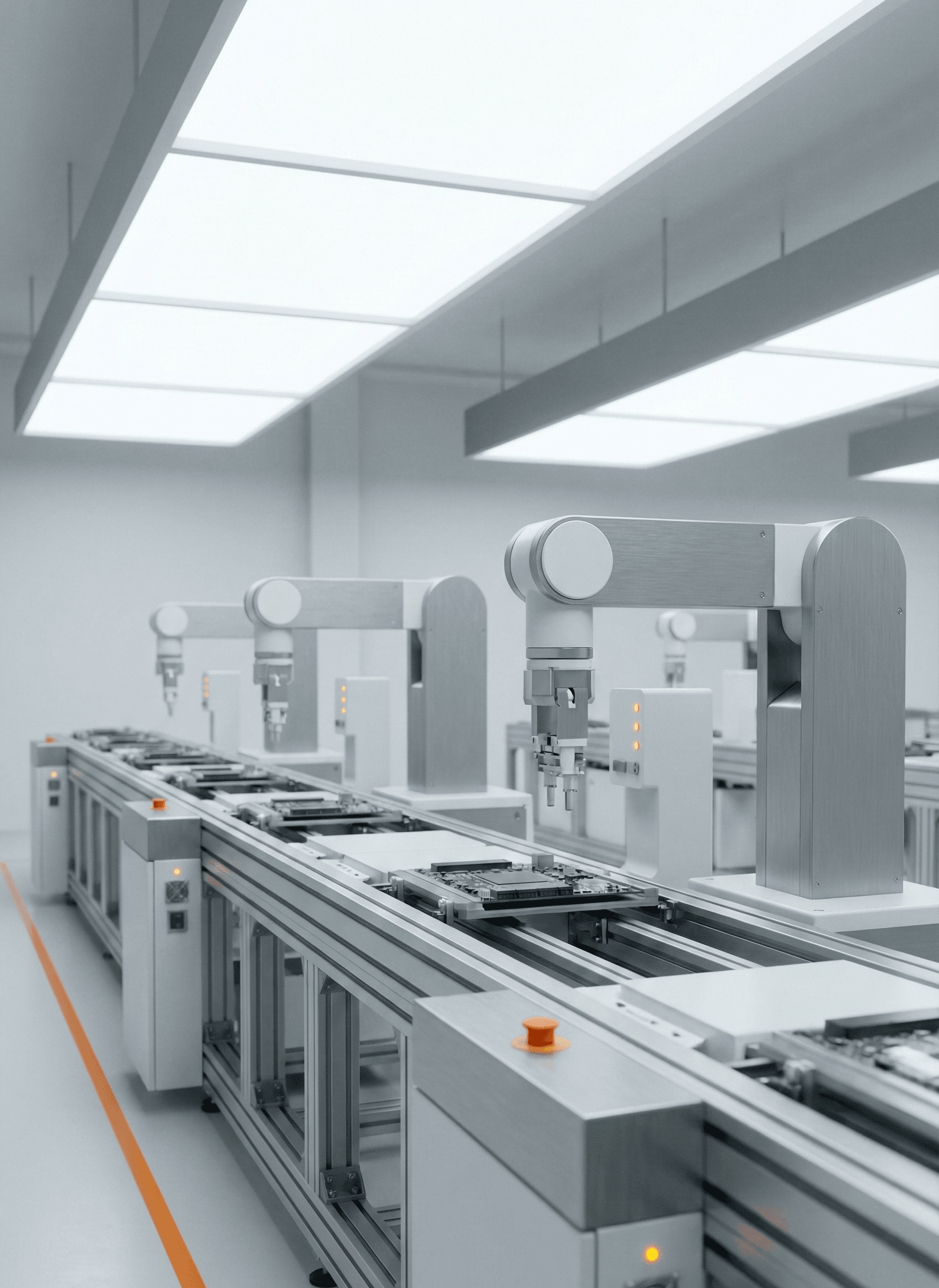
01
AI helps combine data from machines, sensors and systems to create a clearer picture of what is happening on the shop floor.
02
By analyzing historical and real-time data, it becomes easier to spot patterns that signal failures or maintenance needs early.
03
It also supports process analysis, helping teams find inefficiencies, bottlenecks and opportunities to optimize.
04
By combining information from multiple sources, AI supports more consistent decisions across operations and support áreas.
These are some of the ways data and AI can be applied in industrial environments to improve operations and responsiveness.
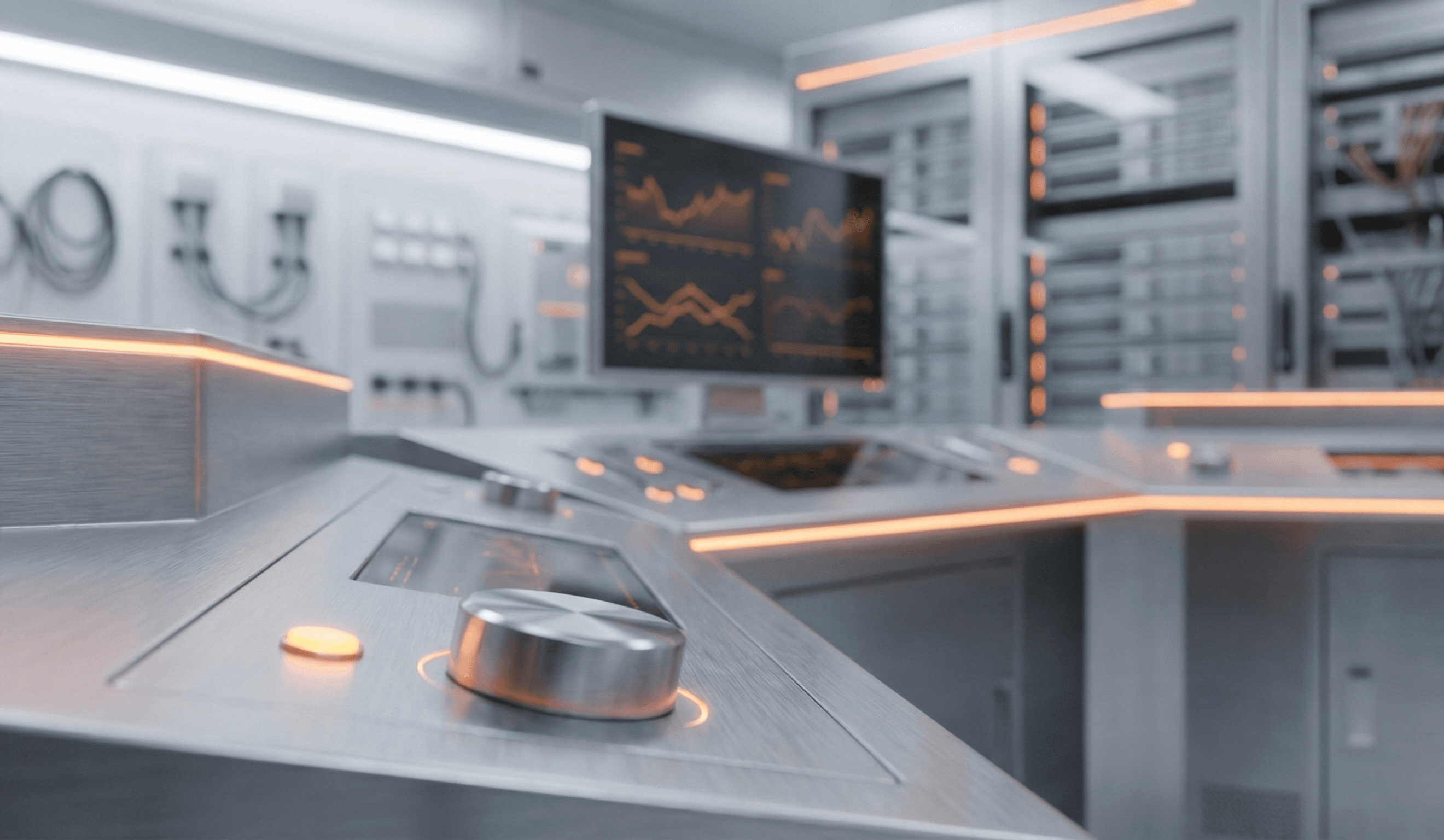
Anticipate equipment failures using historical and operational data to reduce unplanned downtime.
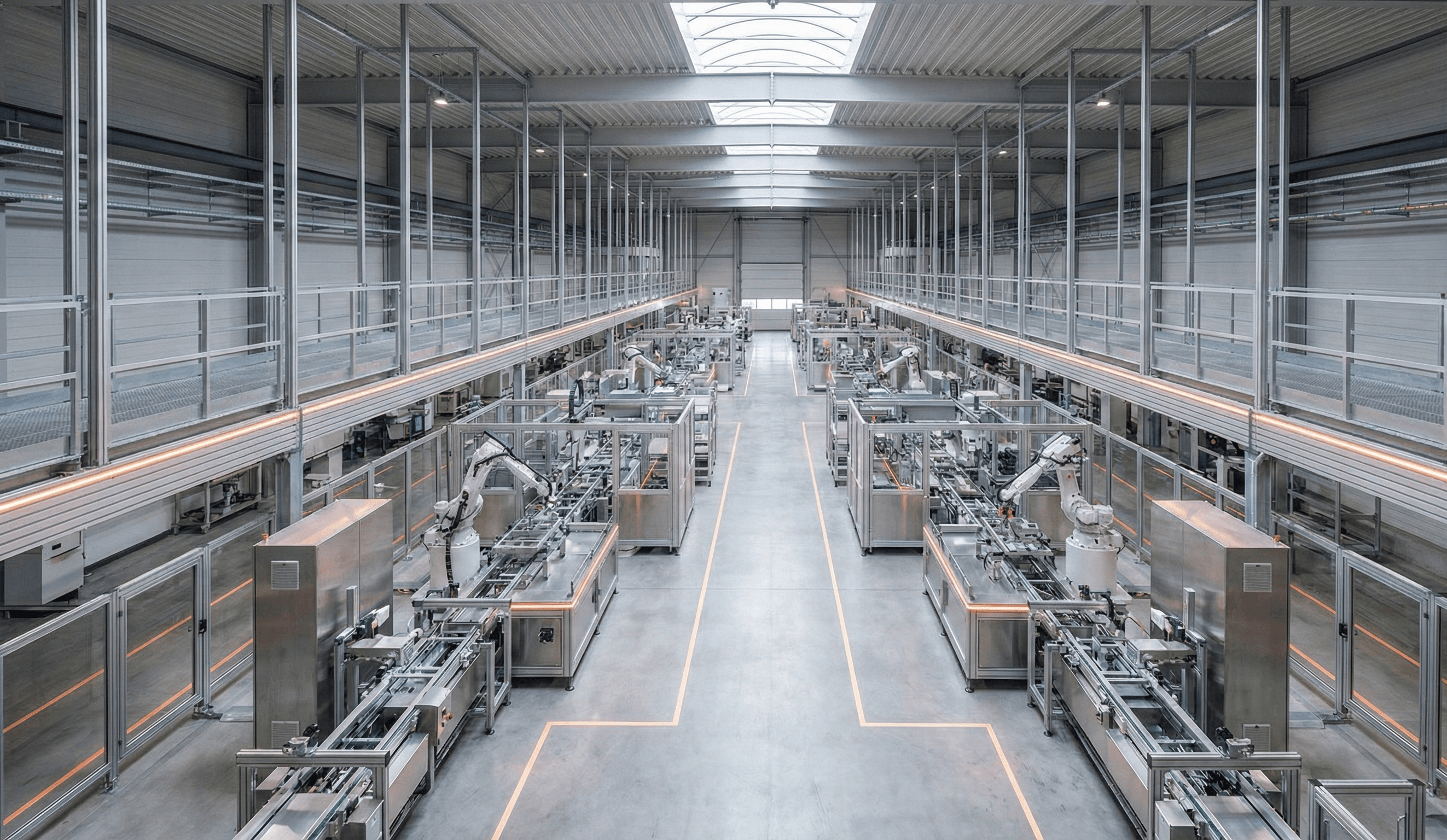
Understand production performance, detect inefficiencies and track key operational indicators.
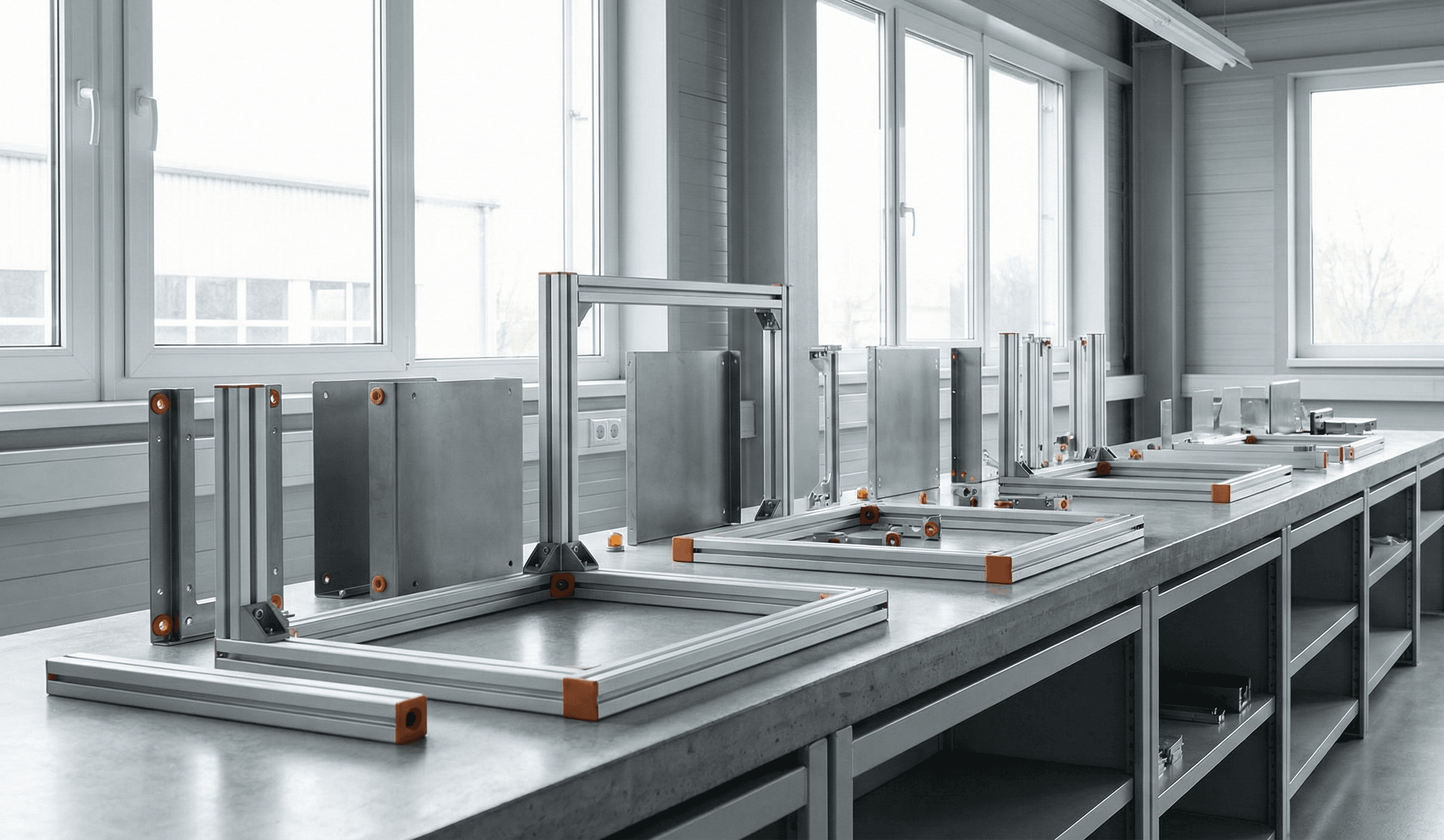
Analyze production processes to identify bottlenecks, variability and opportunities for improvement.
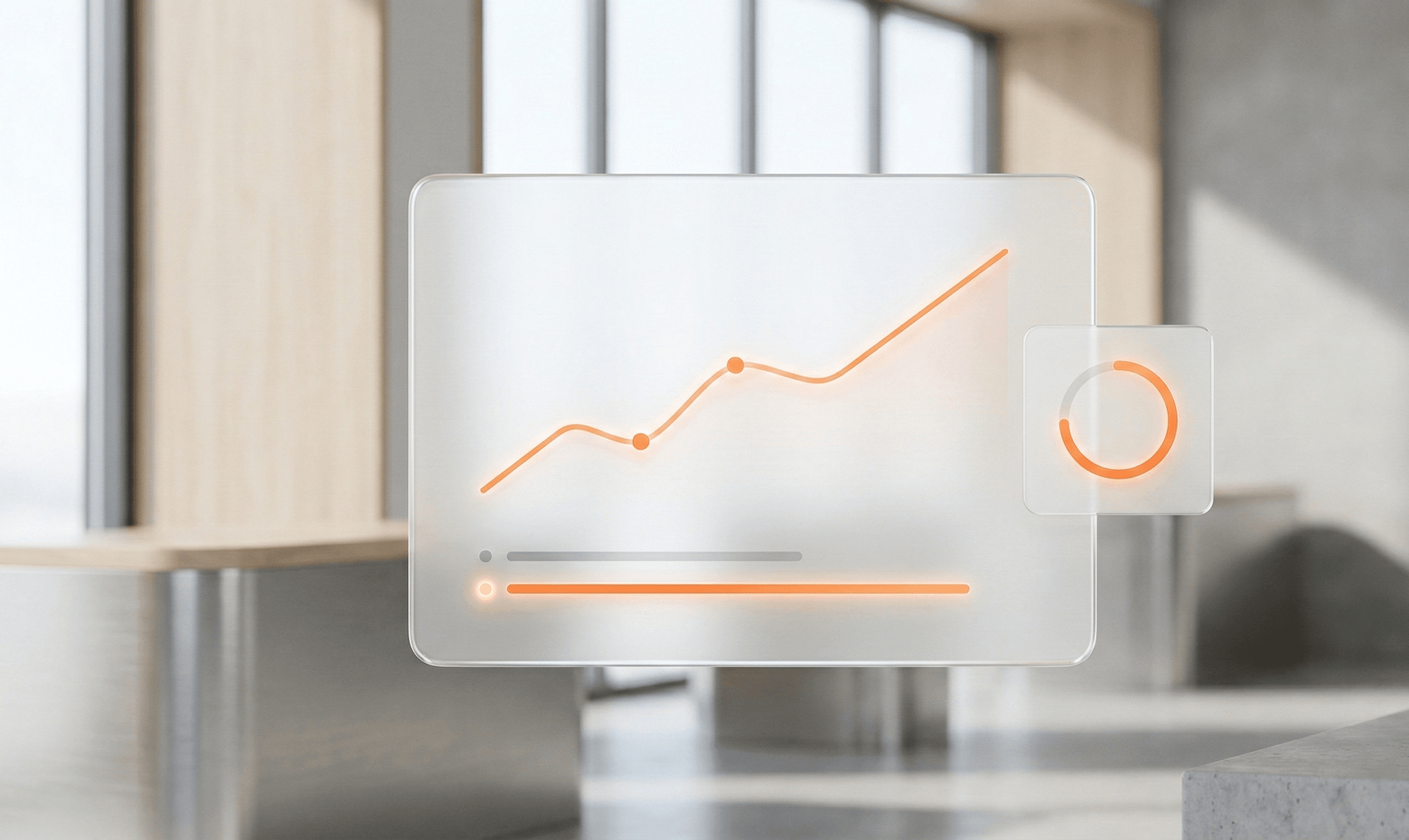
Support production and resource planning by anticipating shifts in demand and future needs.

Provide structured insight so operations teams can make more consistent and informed decisions.
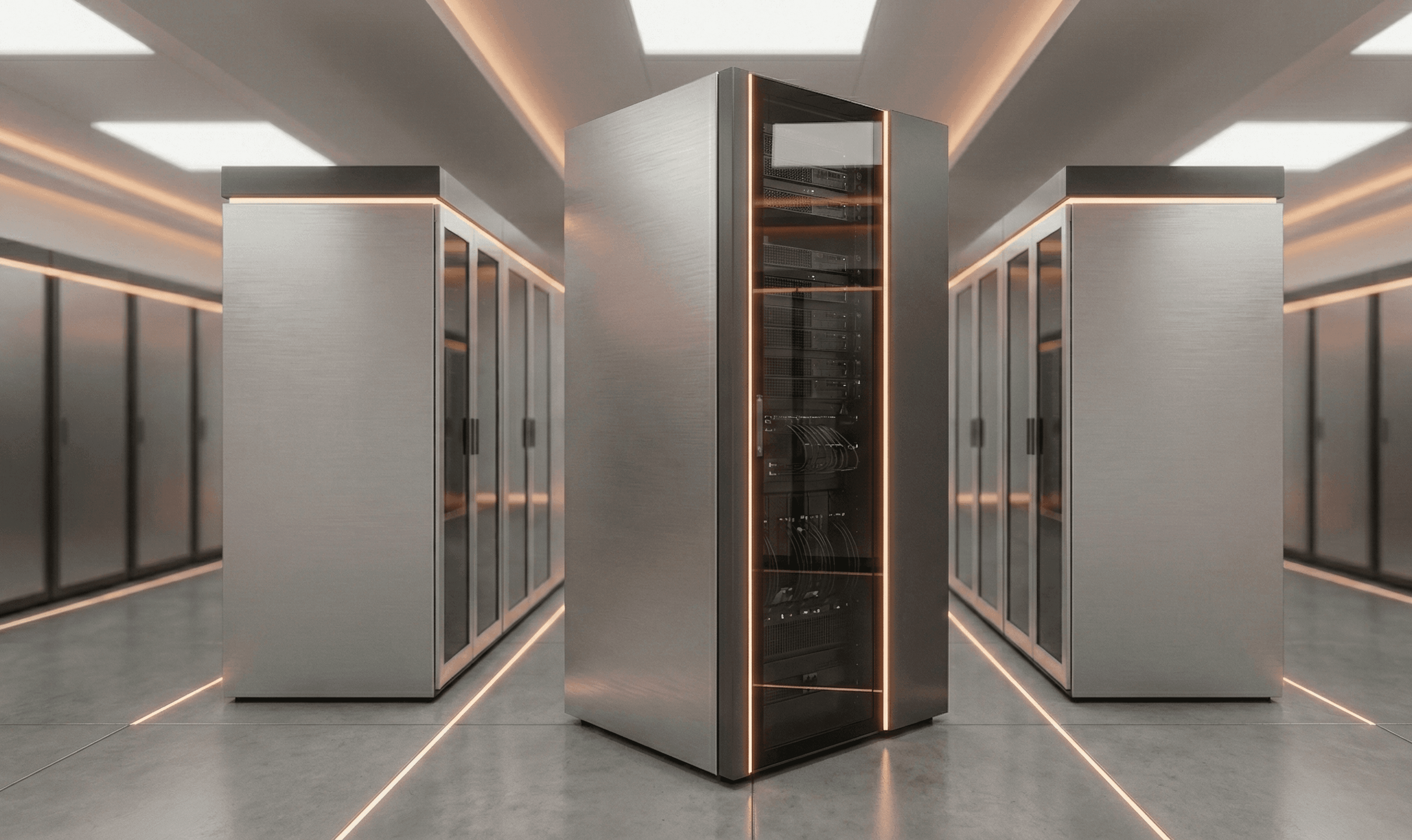
Industrial environments generate large volumes of data across very different systems. Making sense of that information requires understanding how it fits into real operations.
01
Production volumes, cycle times, downtime records, quality metrics and shift reports.
02
Machine status, usage data, alarms, temperature, vibration and other sensor-based signals.
03
Maintenance logs, failure history, work orders and inspection records.
04
ERP information, inventory levels, production plans and key operating indicators.
05
Inspection results, defects, compliance checks and product traceability information.
AI makes the most sense here when operations are complex, assets are critical and decisions increasingly depend on data.
01
Plants with multiple lines, machines and processes where efficiency and reliability are critical.
02
Organizations that depend heavily on equipment and infrastructure and need to reduce failures and downtime.
03
Production, maintenance and reliability teams that need stronger visibility and better decision support.
04
Companies modernizing processes and data usage to improve resilience and performance.
Tell us how your industrial environment works and we can explore where data and AI could improve operations and decisions.
Book a free consultationWe help manufacturing and industrial businesses improve operations, reduce downtime and make better decisions using data and AI applied to real environments.
Book a free consultationManufacturing and industry operate in complex environments where efficiency, reliability and visibility are essential but not always easy to achieve.
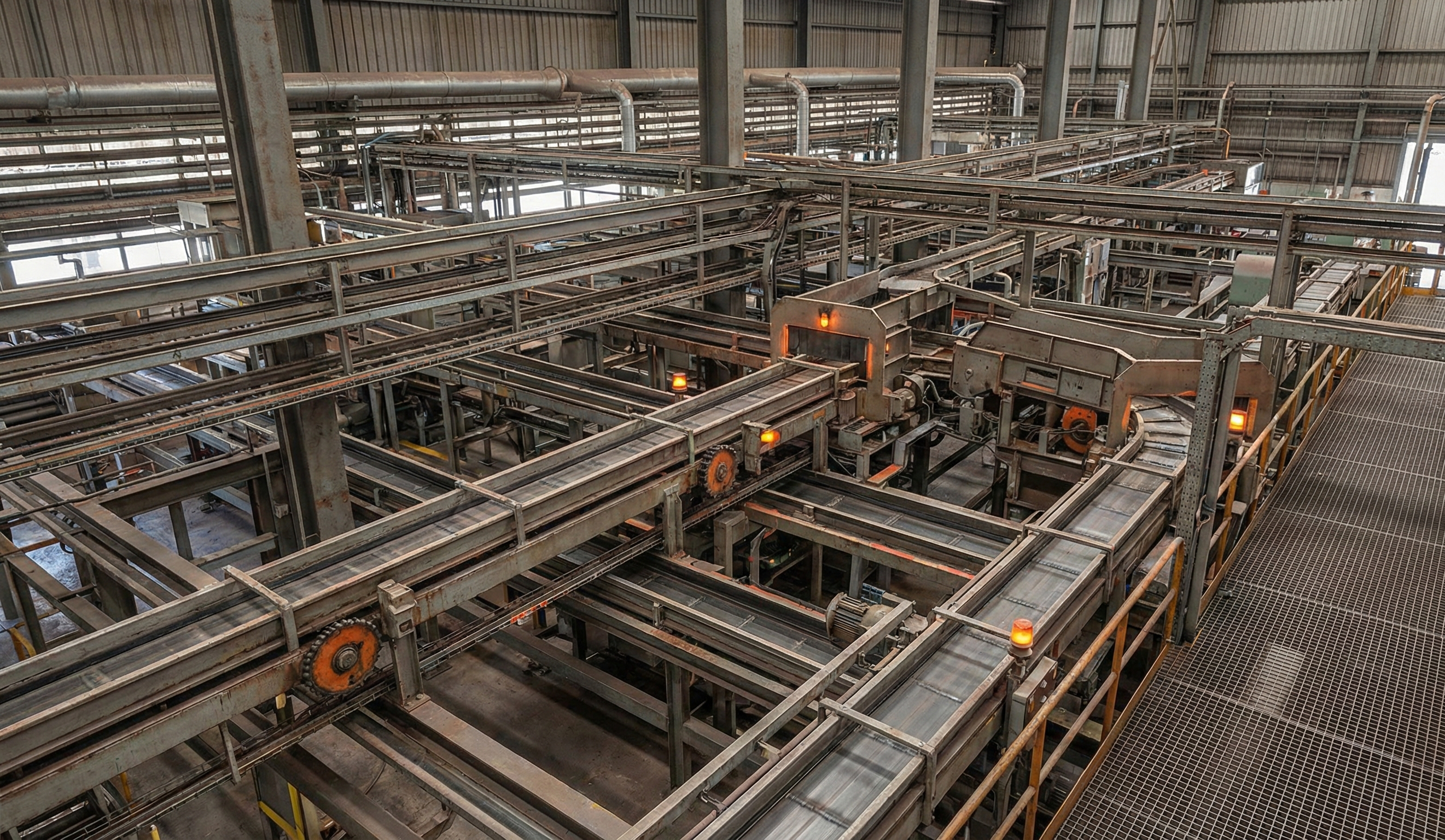
Processes evolve over time and often create bottlenecks, manual work and hidden inefficiencies.
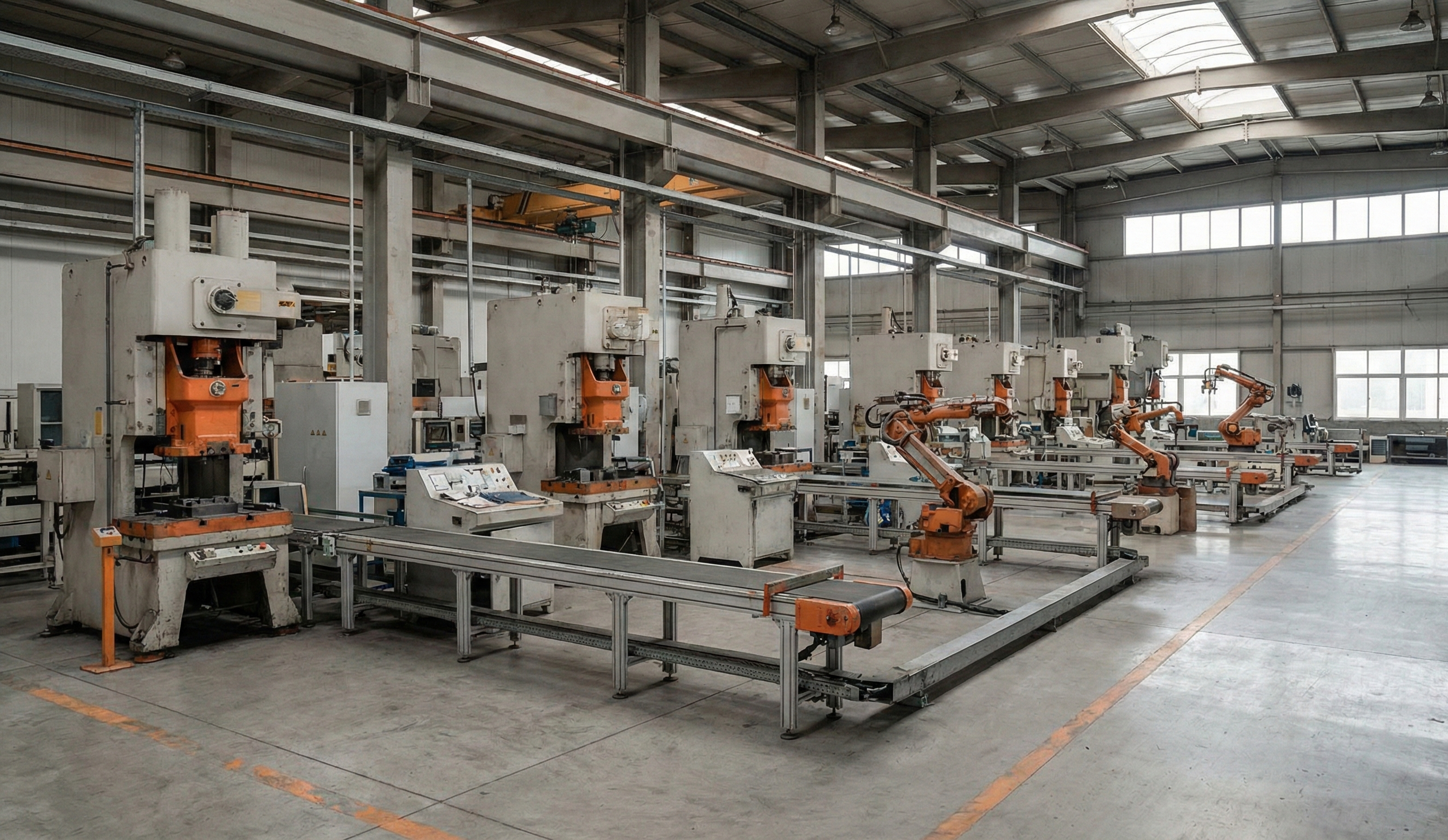
Unexpected failures and maintenance issues interrupt production and push costs up.

Data is spread across machines, sensors, reports and ERP systems, making it hard to build a unified view.
Understanding what is happening in real time is often difficult or arrives too late.
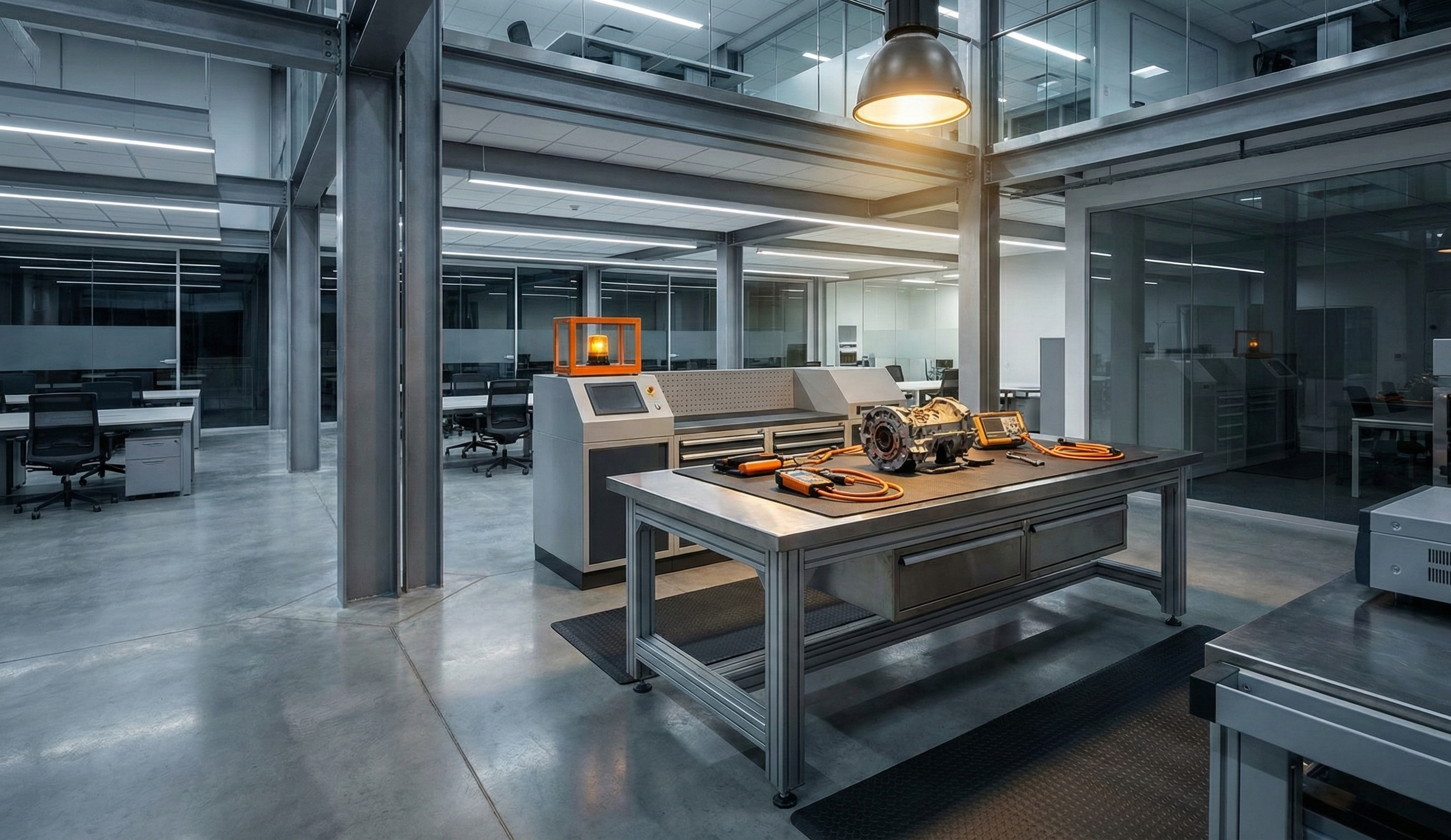
Many decisions are made once the problem has already appeared instead of earlier.
AI helps industrial businesses move from reactive operations to a more informed and anticipatory way of working, using the data they already have more effectively.
AI helps combine data from machines, sensors and systems to create a clearer picture of what is happening on the shop floor.
By analyzing historical and real-time data, it becomes easier to spot patterns that signal failures or maintenance needs early.
It also supports process analysis, helping teams find inefficiencies, bottlenecks and opportunities to optimize.
By combining information from multiple sources, AI supports more consistent decisions across operations and support áreas.
These are some of the ways data and AI can be applied in industrial environments to improve operations and responsiveness.
Anticipate equipment failures using historical and operational data to reduce unplanned downtime.
Understand production performance, detect inefficiencies and track key operational indicators.
Analyze production processes to identify bottlenecks, variability and opportunities for improvement.
Support production and resource planning by anticipating shifts in demand and future needs.
Provide structured insight so operations teams can make more consistent and informed decisions.
Industrial environments generate large volumes of data across very different systems. Making sense of that information requires understanding how it fits into real operations.
Production volumes, cycle times, downtime records, quality metrics and shift reports.
Machine status, usage data, alarms, temperature, vibration and other sensor-based signals.
Maintenance logs, failure history, work orders and inspection records.
ERP information, inventory levels, production plans and key operating indicators.
Inspection results, defects, compliance checks and product traceability information.
AI makes the most sense here when operations are complex, assets are critical and decisions increasingly depend on data.
Plants with multiple lines, machines and processes where efficiency and reliability are critical.
Organizations that depend heavily on equipment and infrastructure and need to reduce failures and downtime.
Production, maintenance and reliability teams that need stronger visibility and better decision support.
Companies modernizing processes and data usage to improve resilience and performance.
Tell us how your industrial environment works and we can explore where data and AI could improve operations and decisions.
Book a free consultation